IL PELLICANO AND THE ART OF LEISURE
IL PELLICANO AND THE ART OF LEISURE
More than sixty years after it first drew the international set to the Tuscan coast, Il Pellicano has lost none of its allure.
Words by: Catherine De Orio
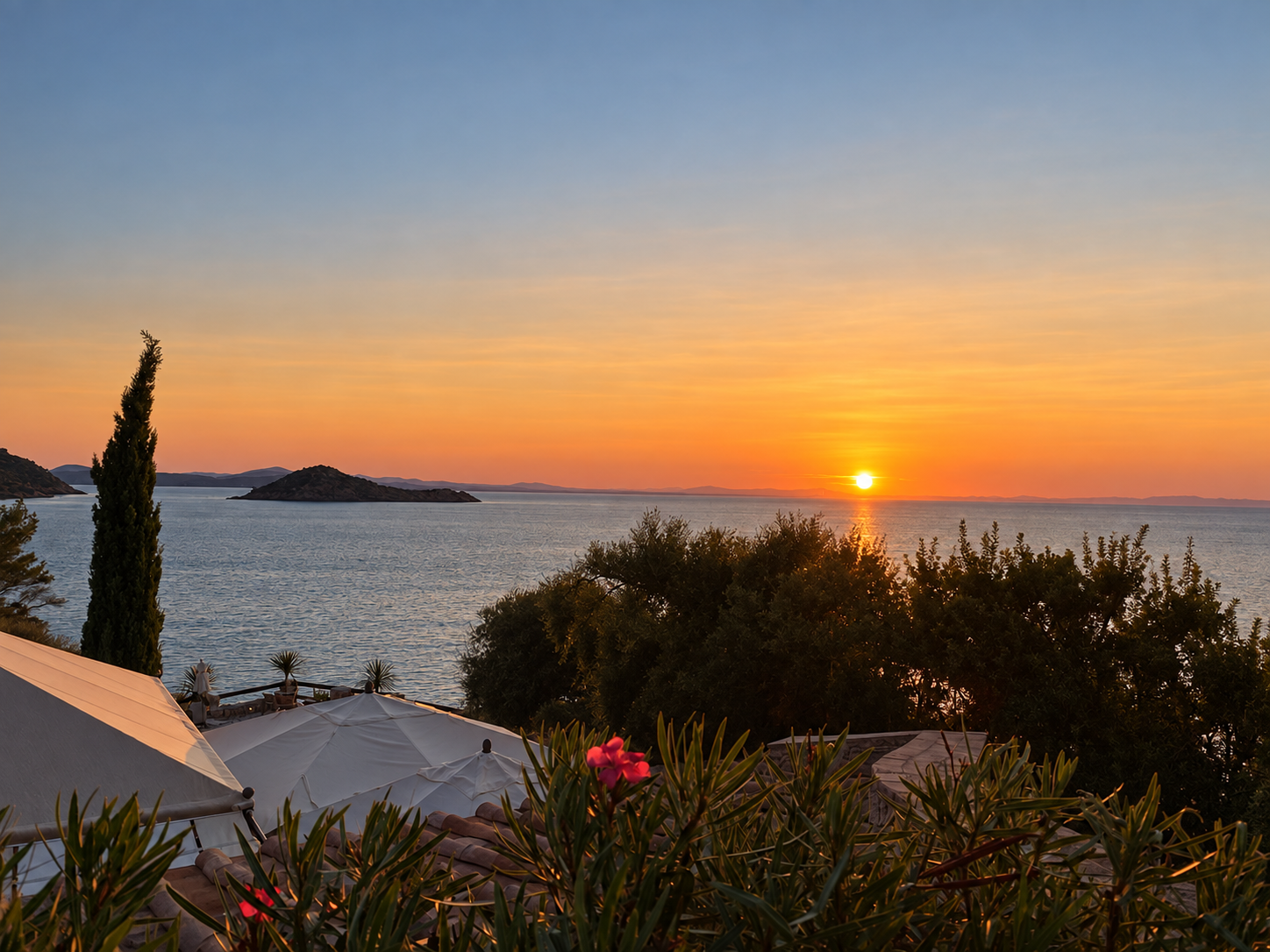
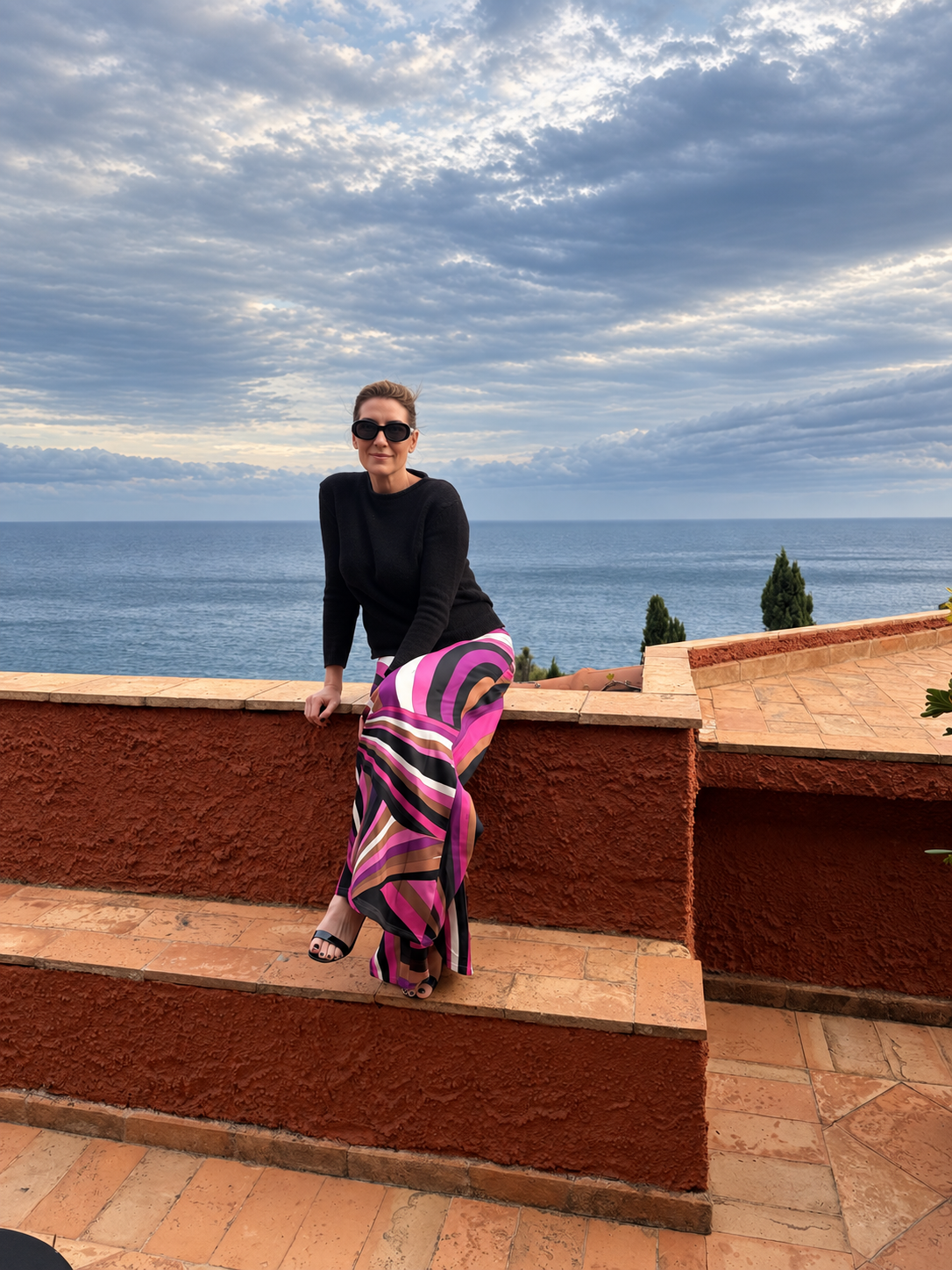
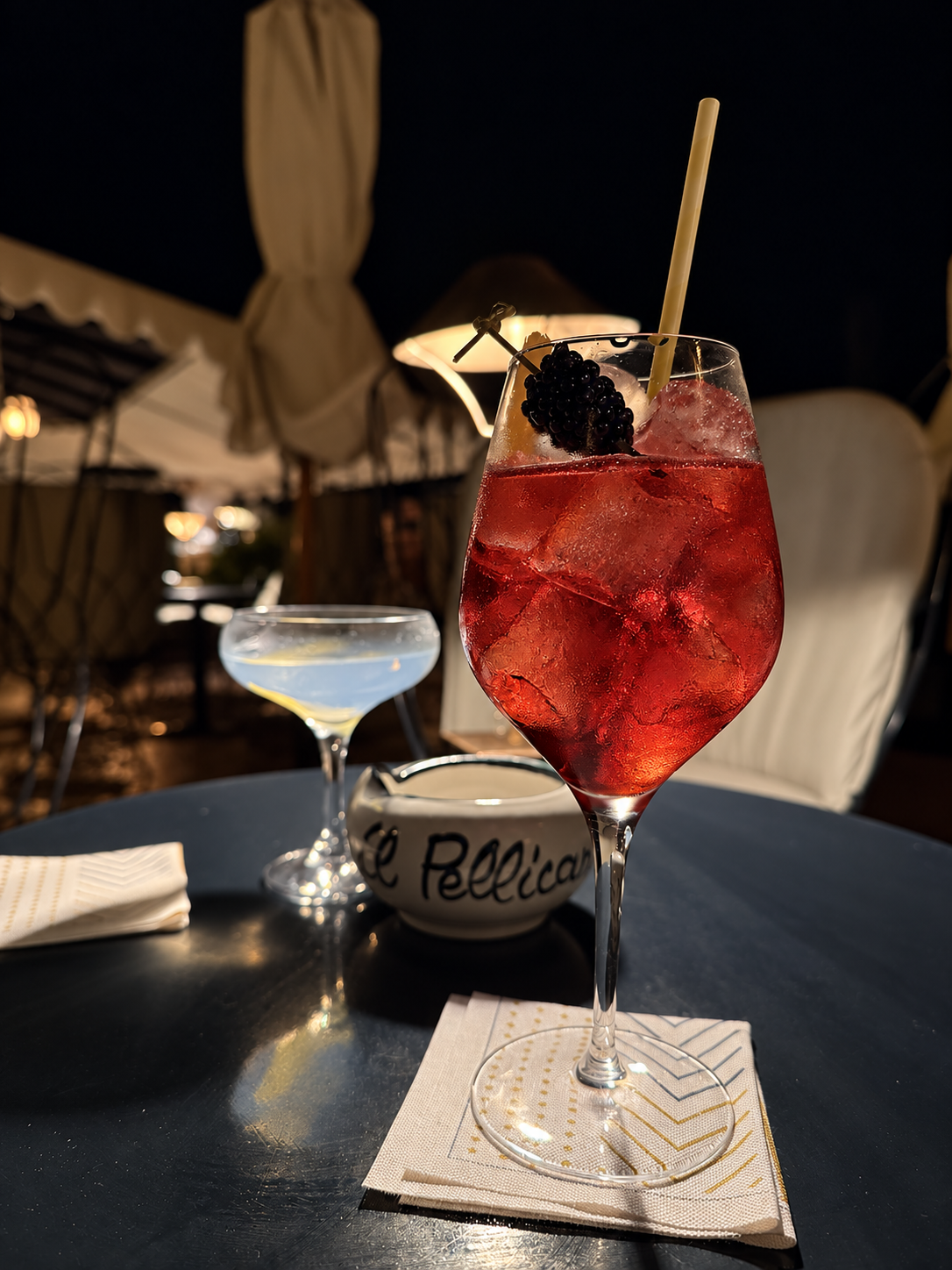
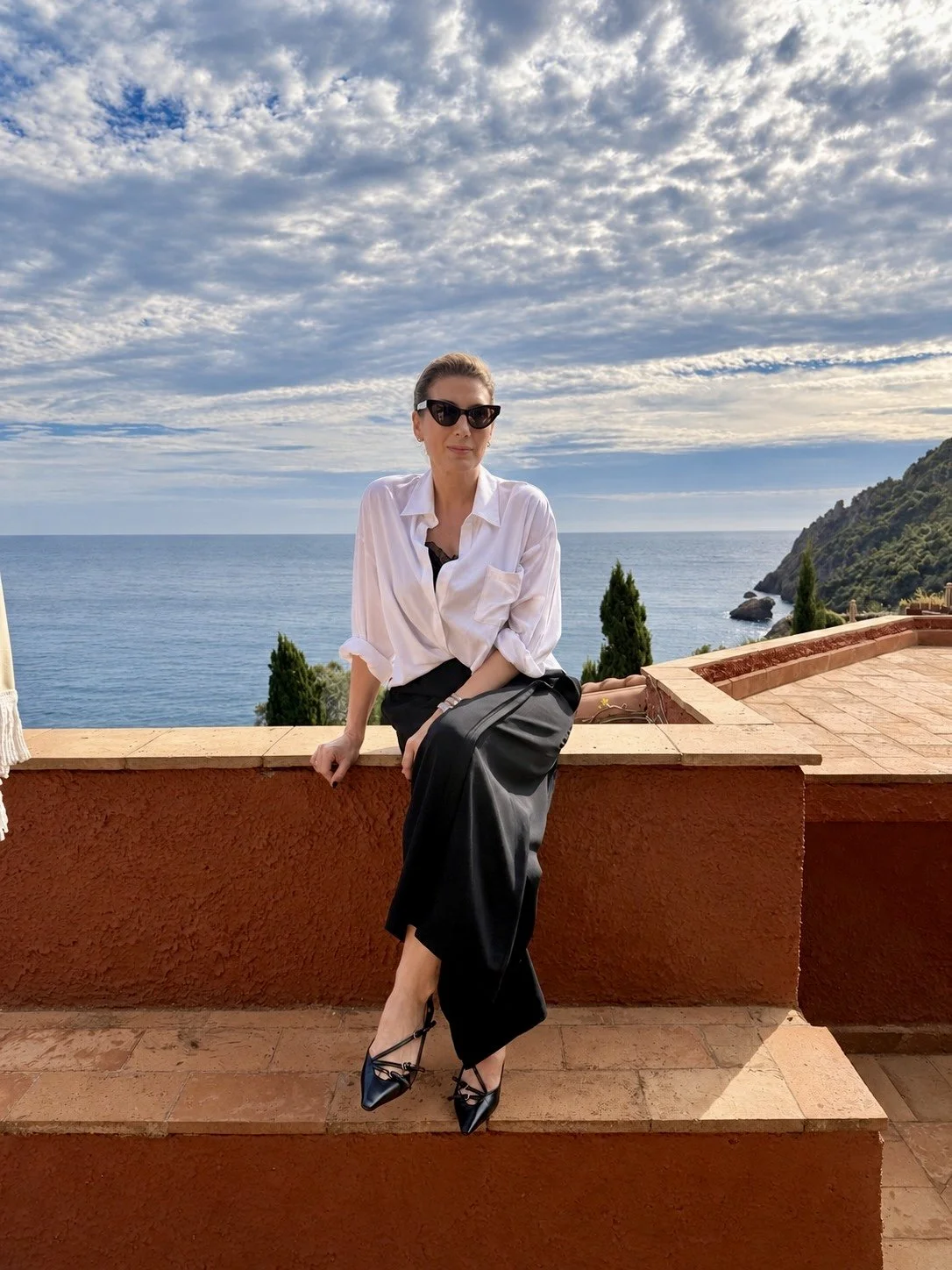
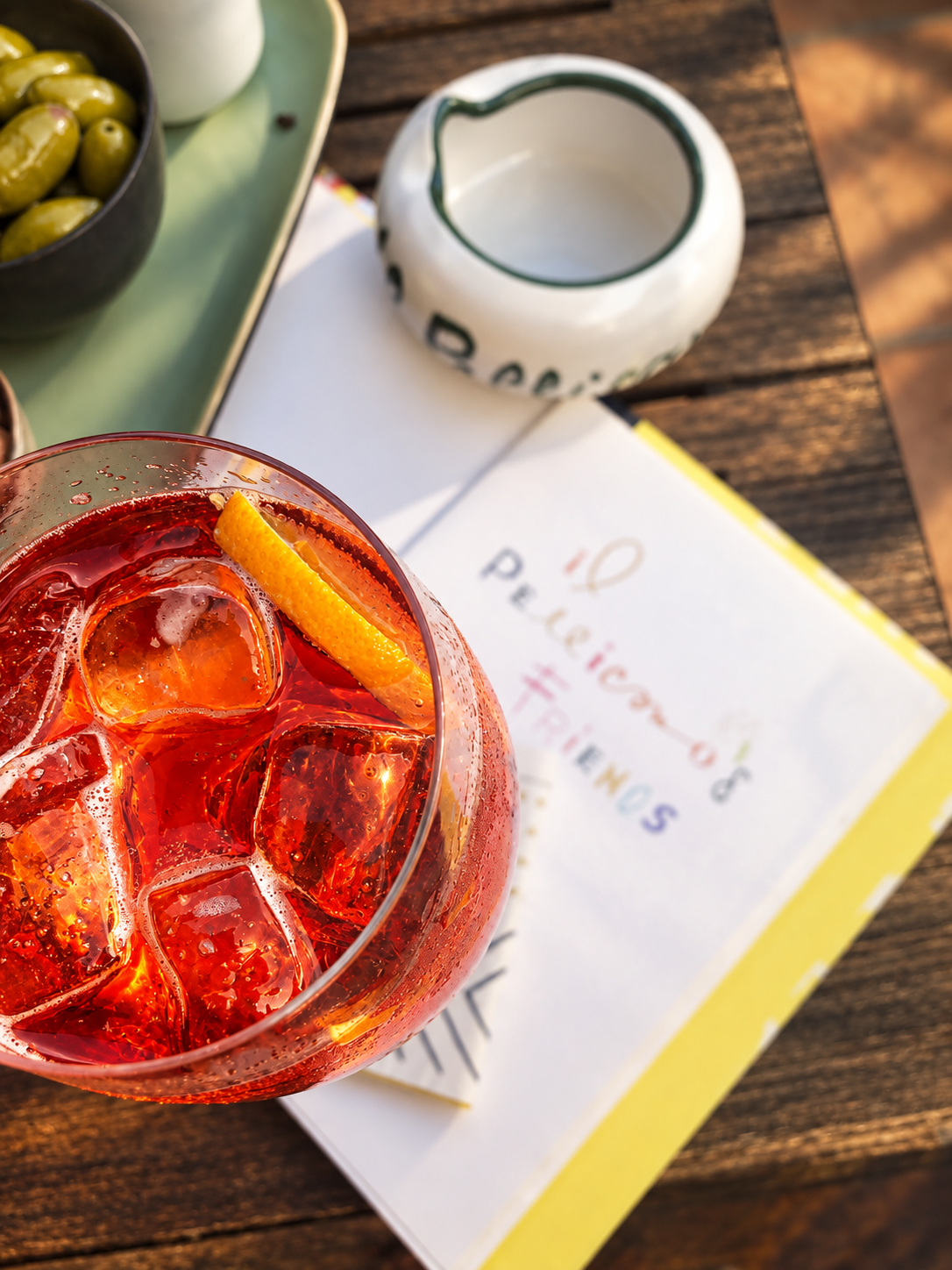
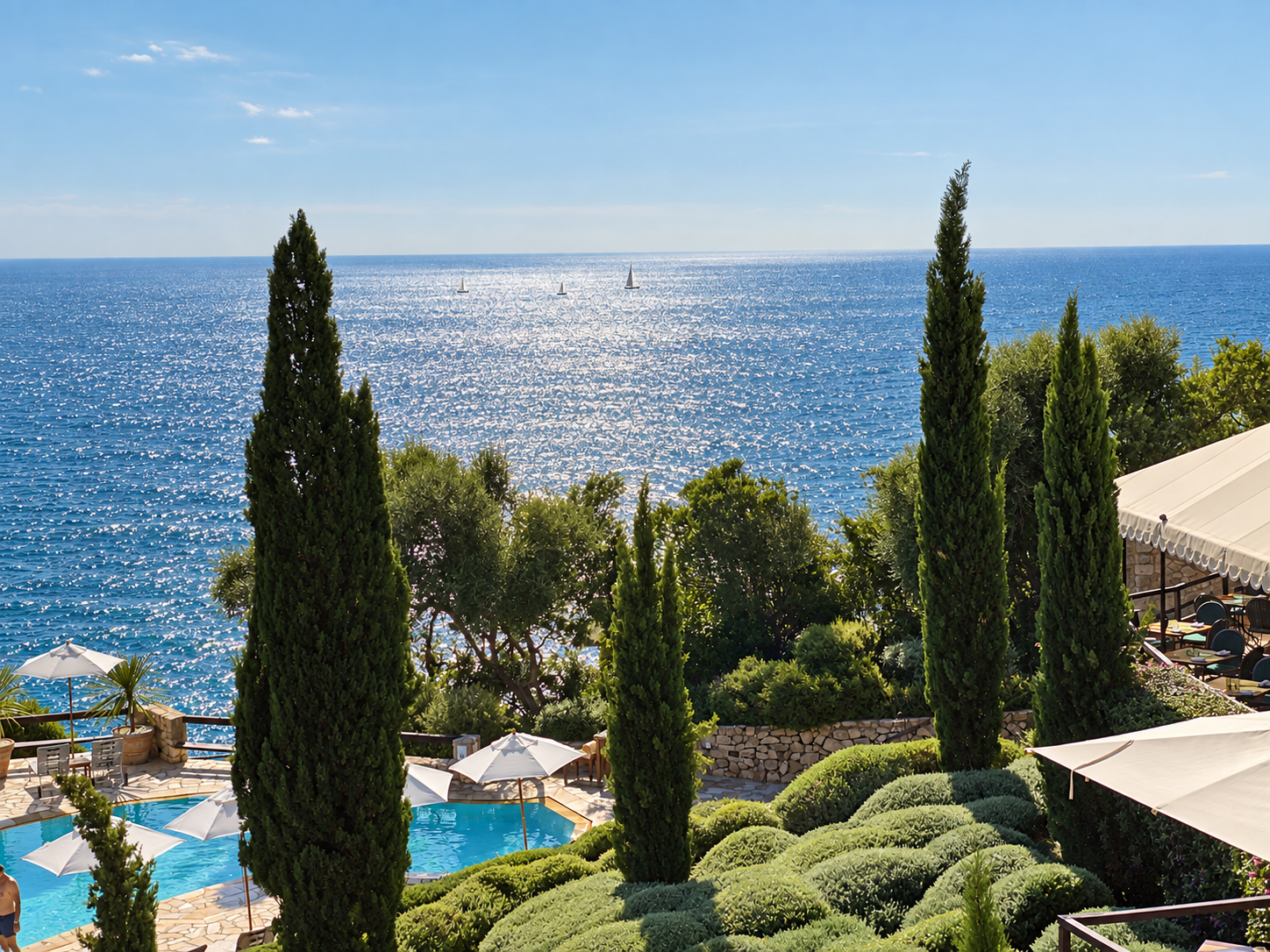
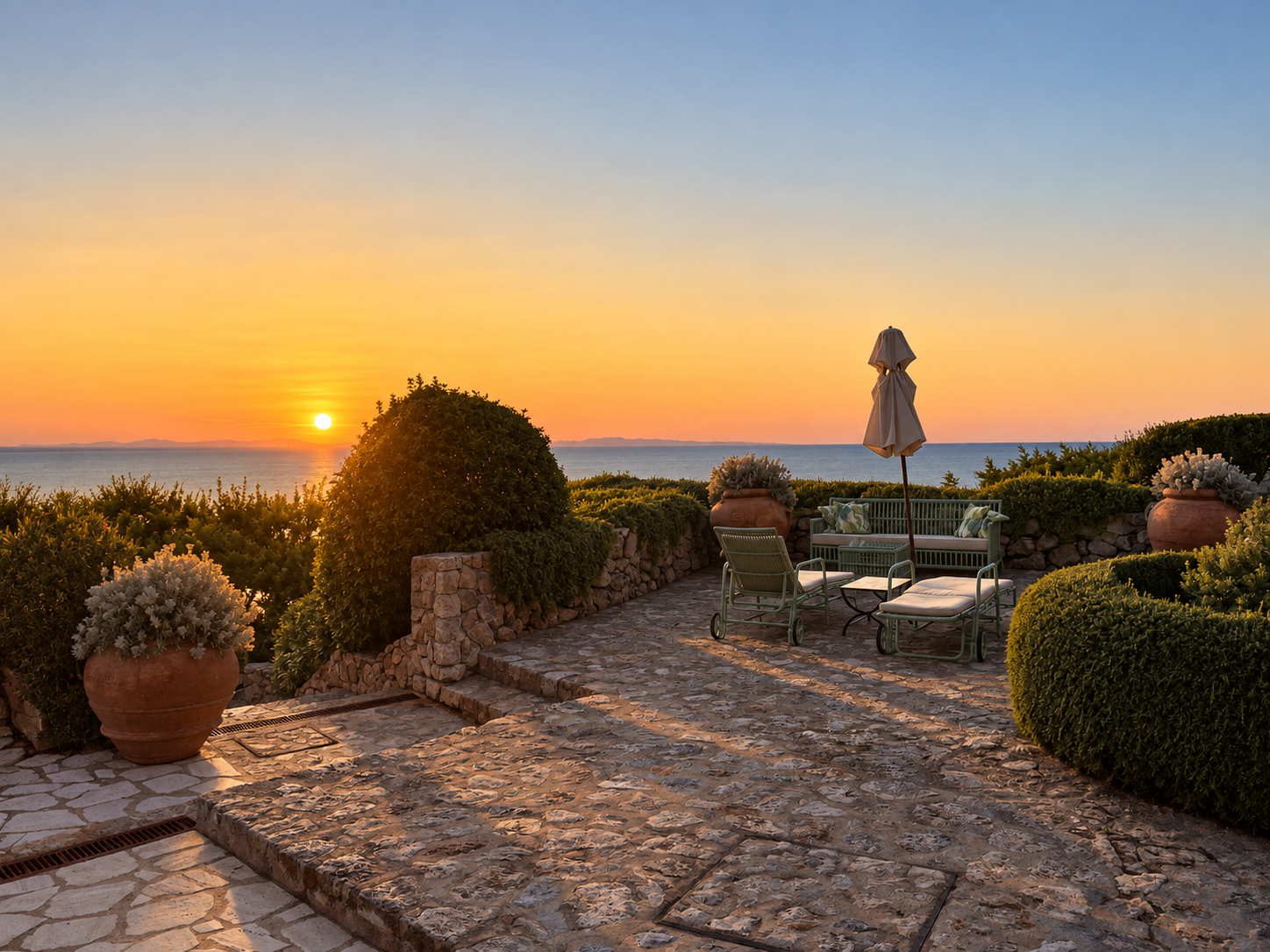
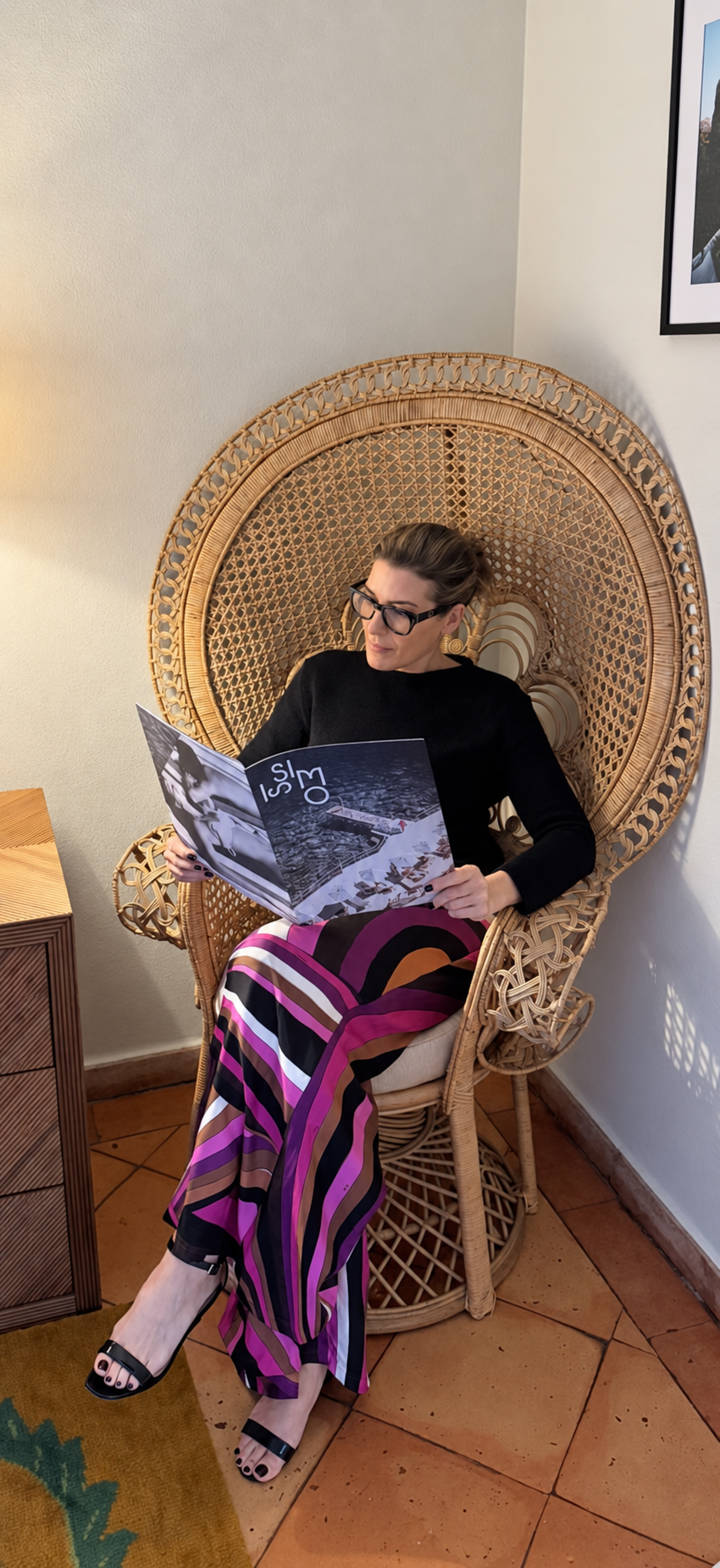
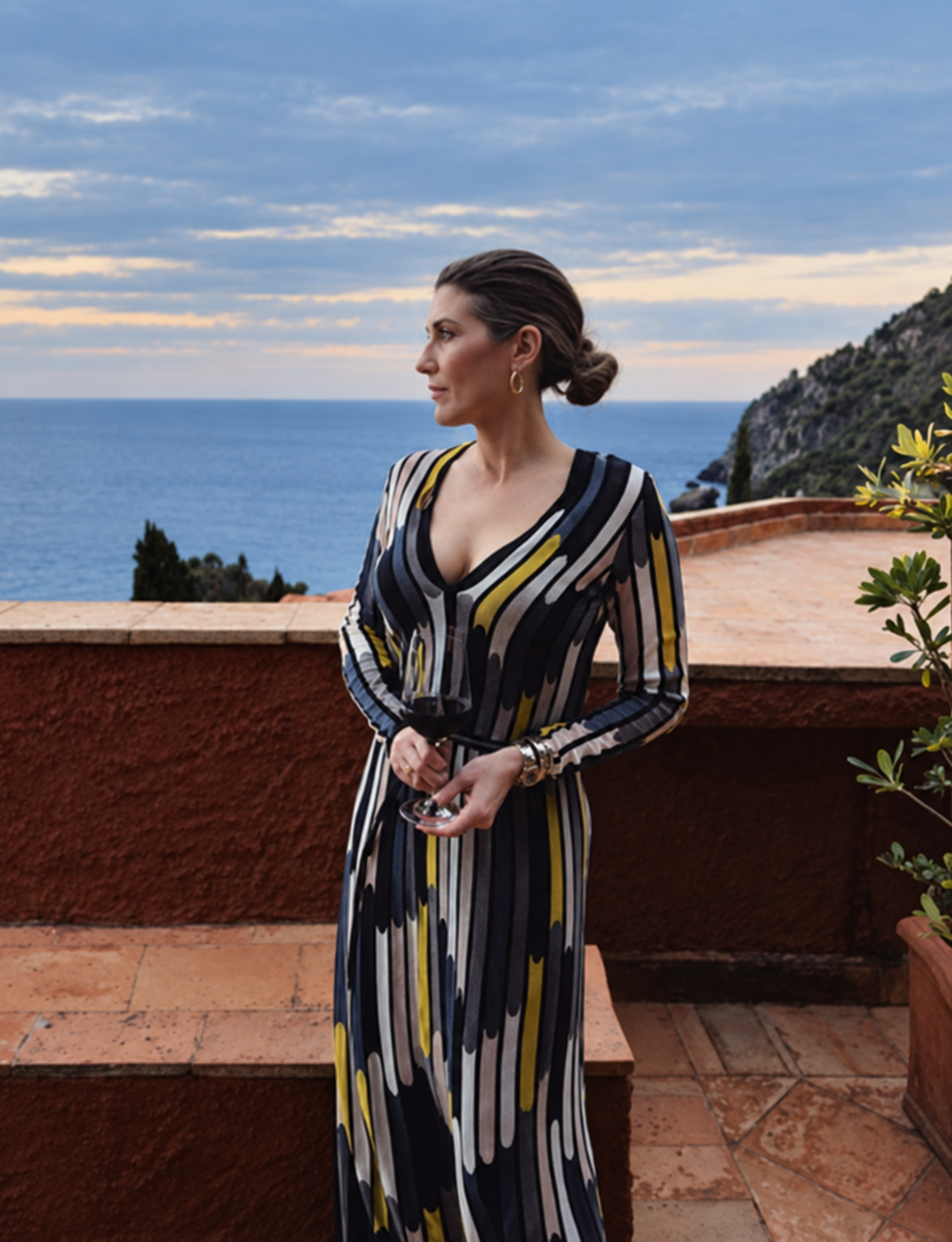
A Pucci-clad woman glides past, just as cicadas reach their crescendo, the hem of her kaftan lifting lightly in the late afternoon breeze. The air is warm and resinous with rosemary and sun-warmed citrus. Below, the Tyrrhenian stretches outward like an endless sheet of cerulean silk, holding the slowly softening daylight. A Negroni arrives, cool and bitter, and with it the understanding that the day has shifted into a slower register.
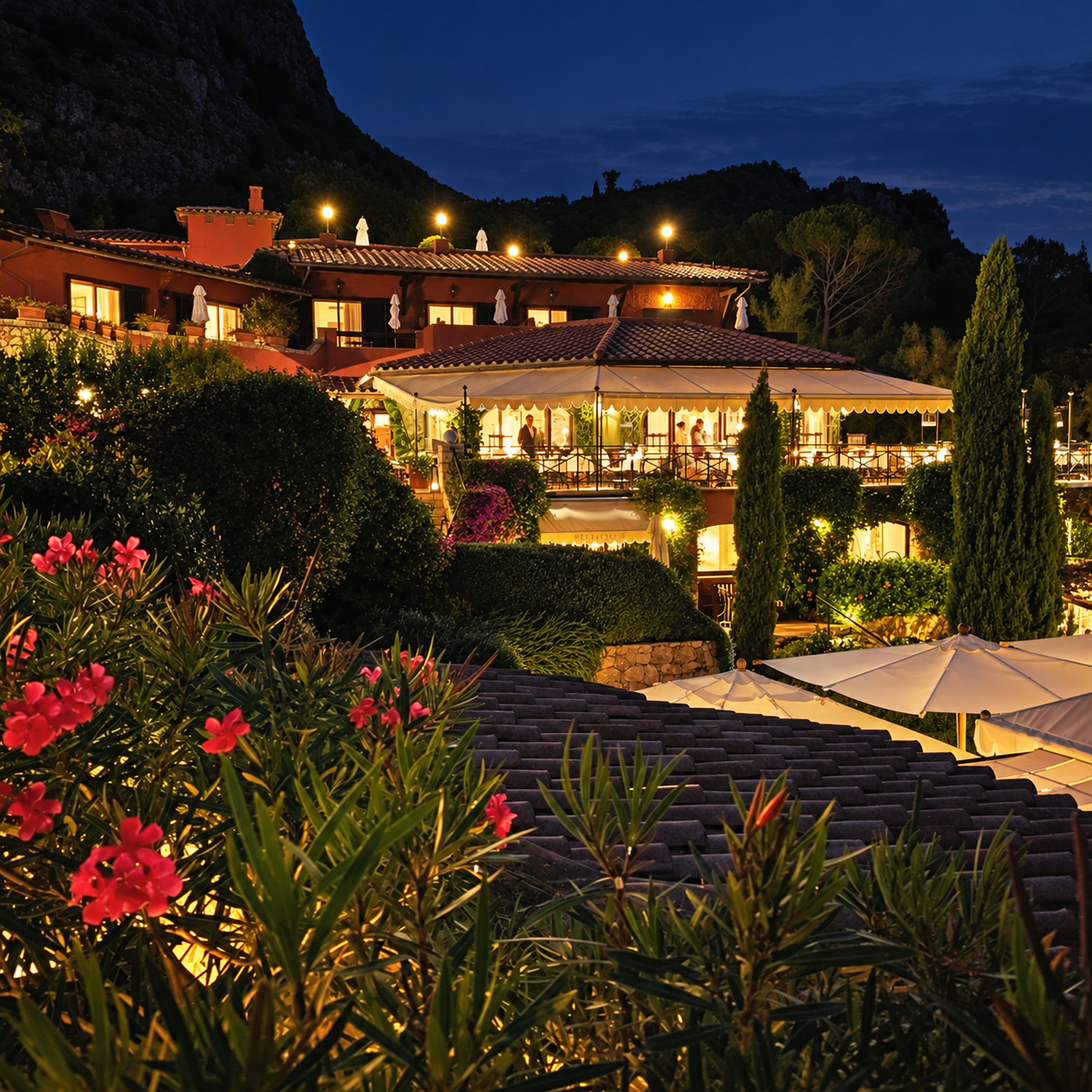
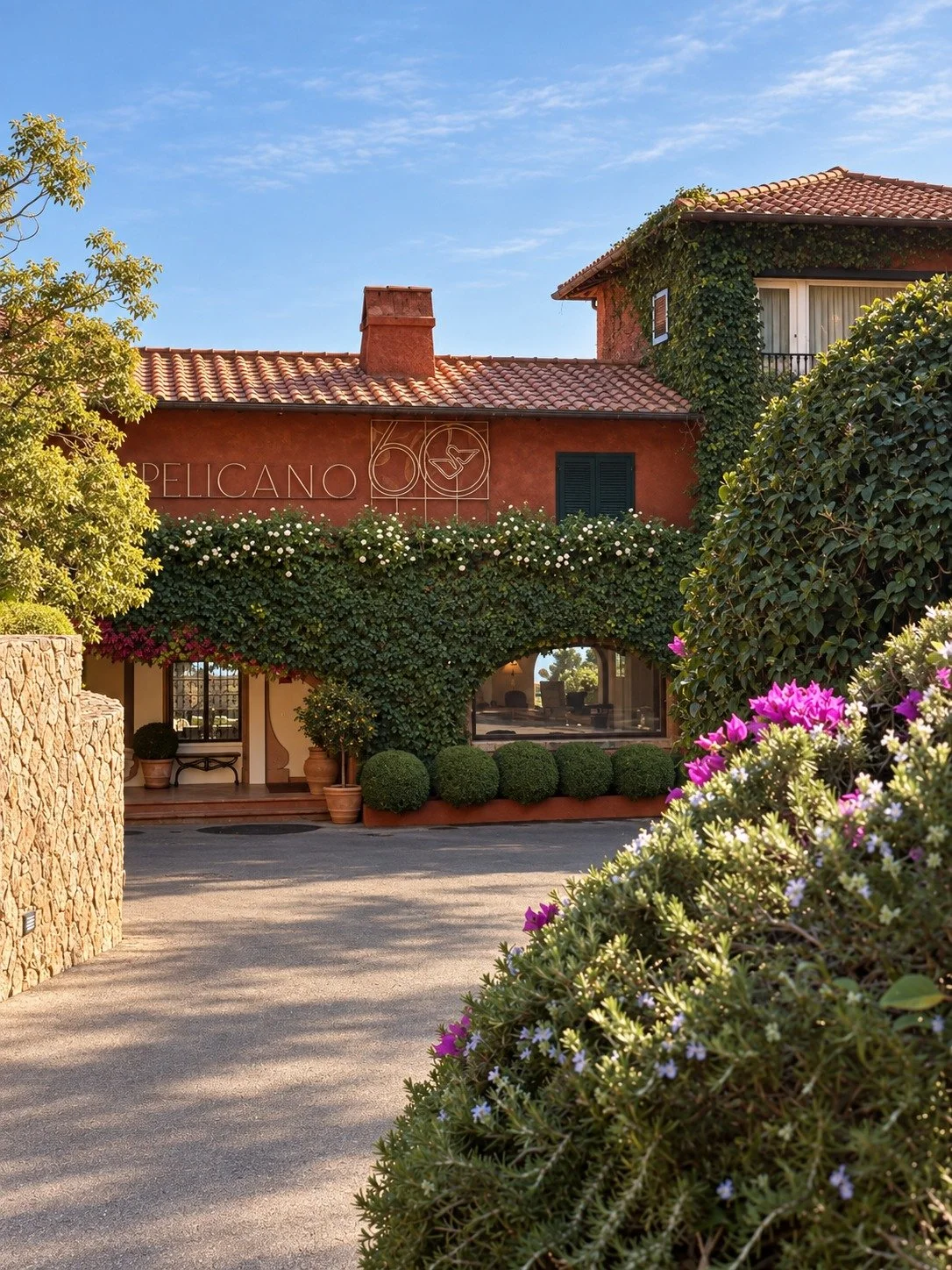
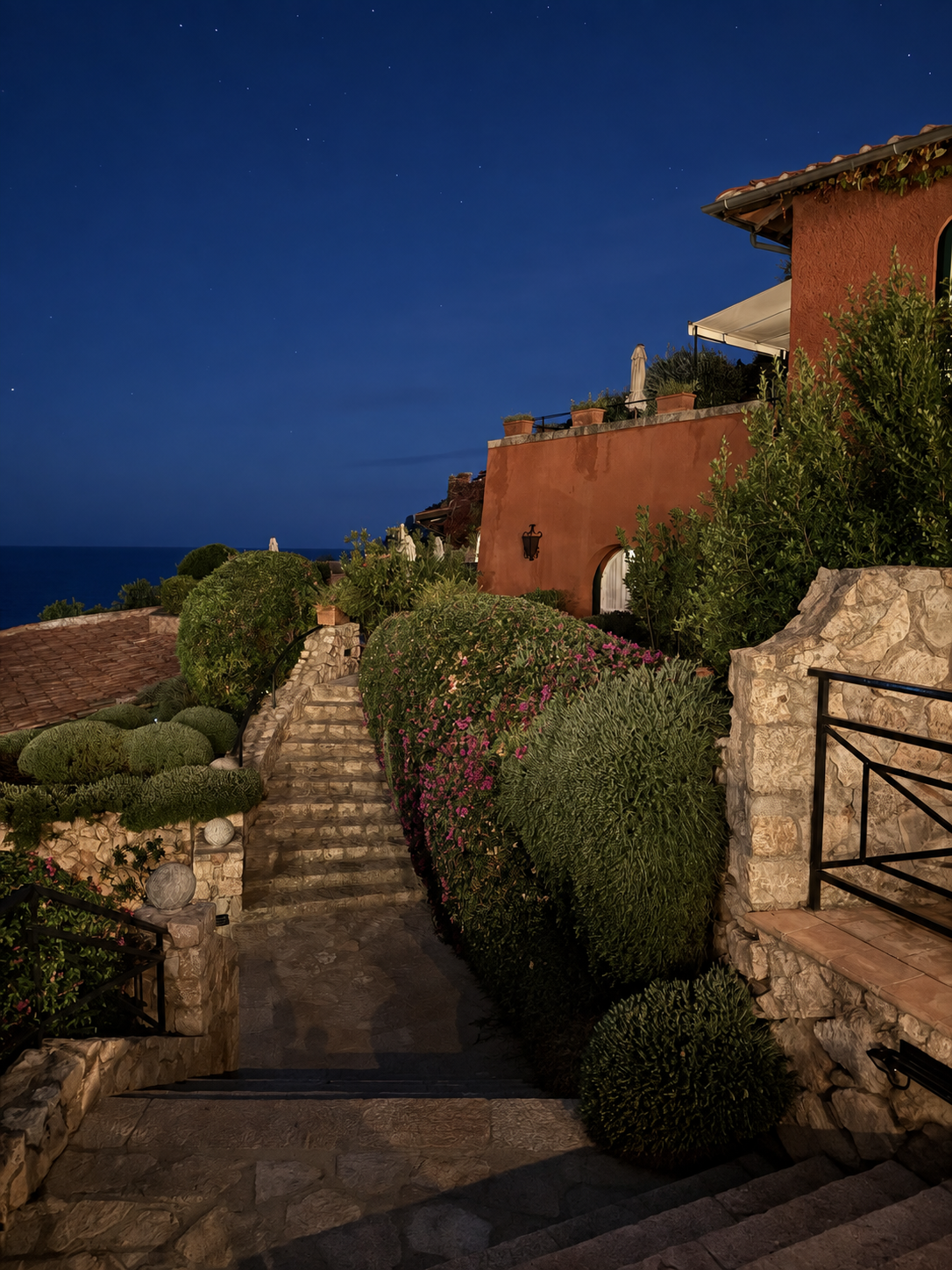
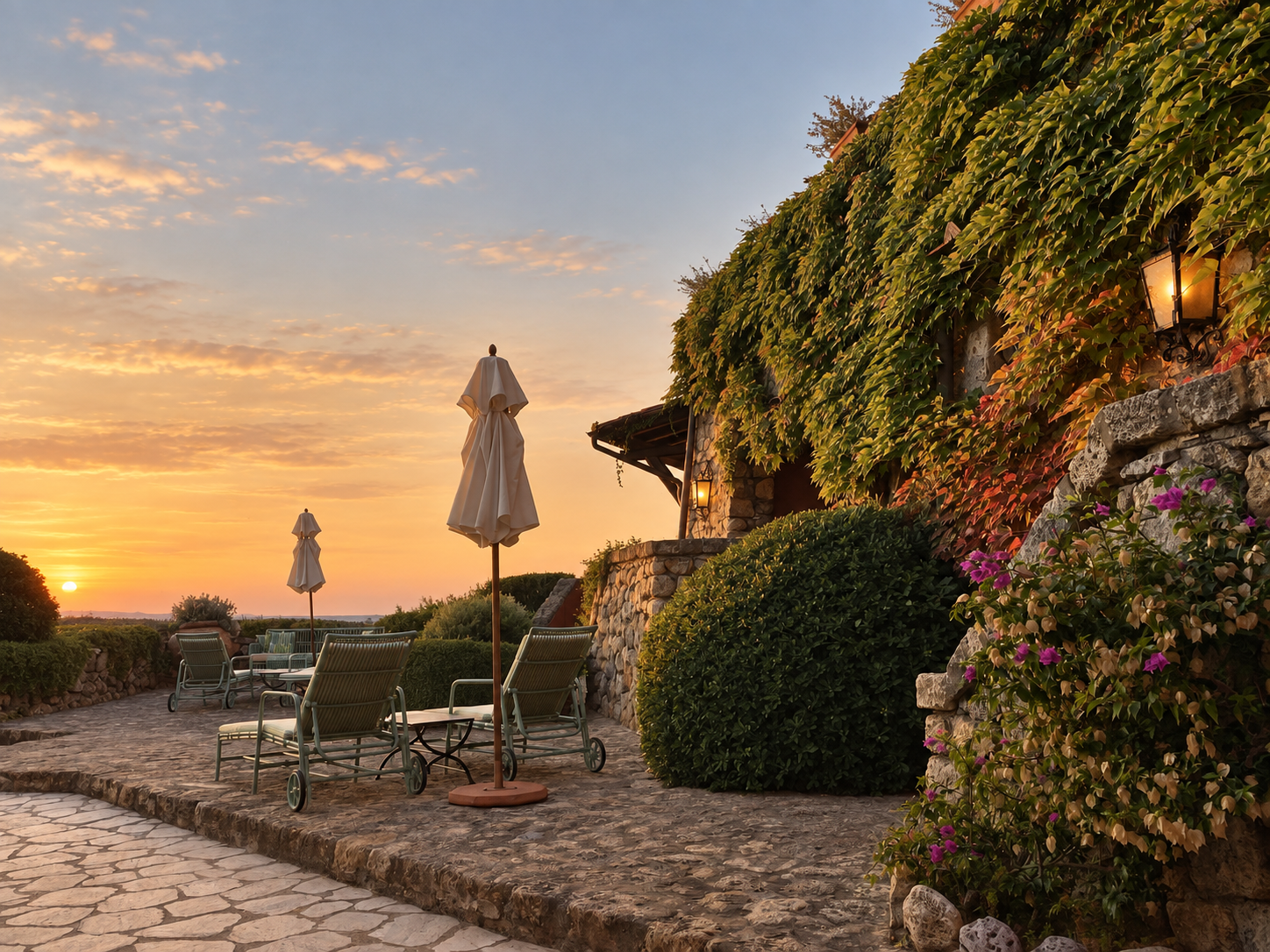
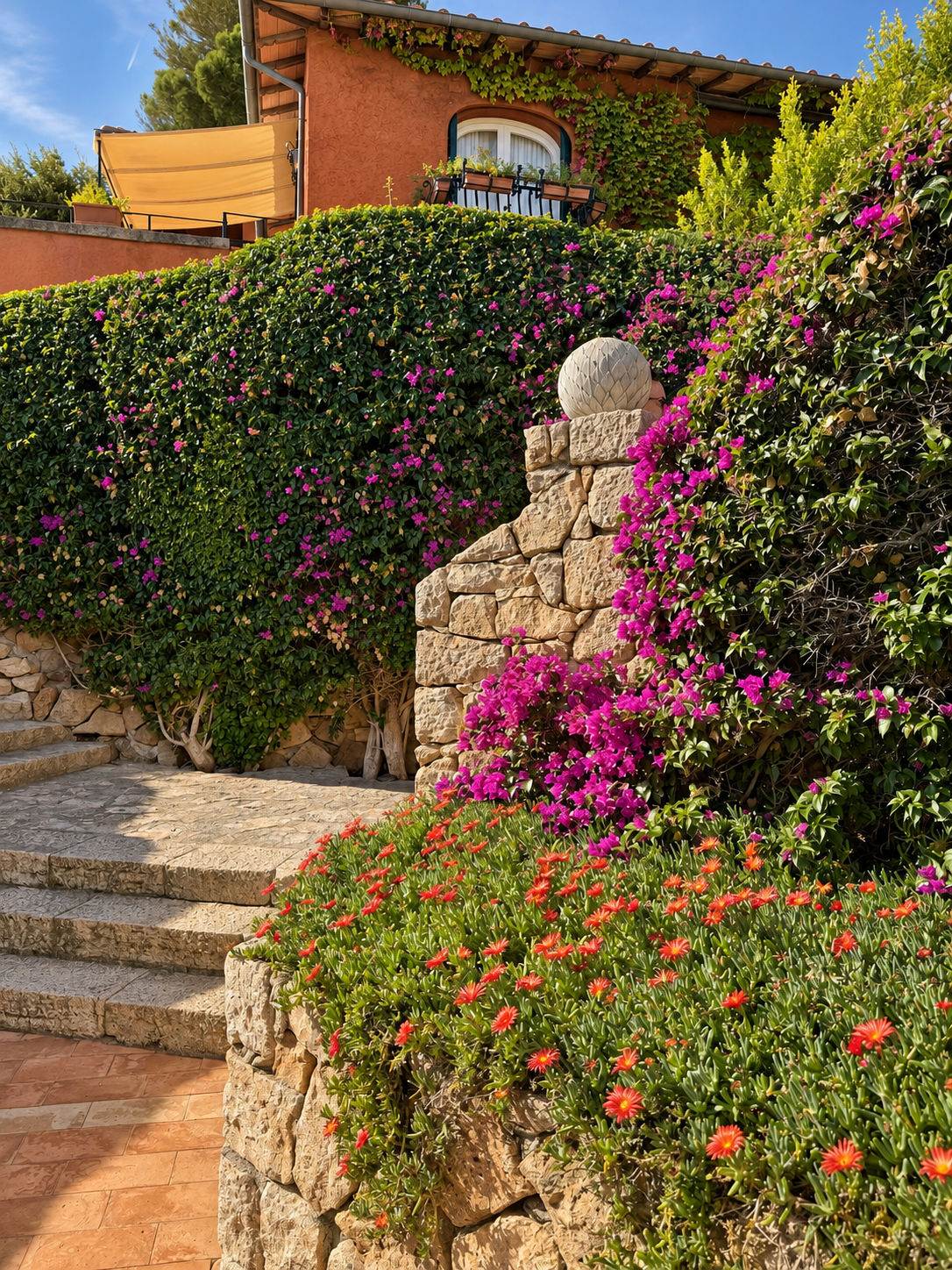
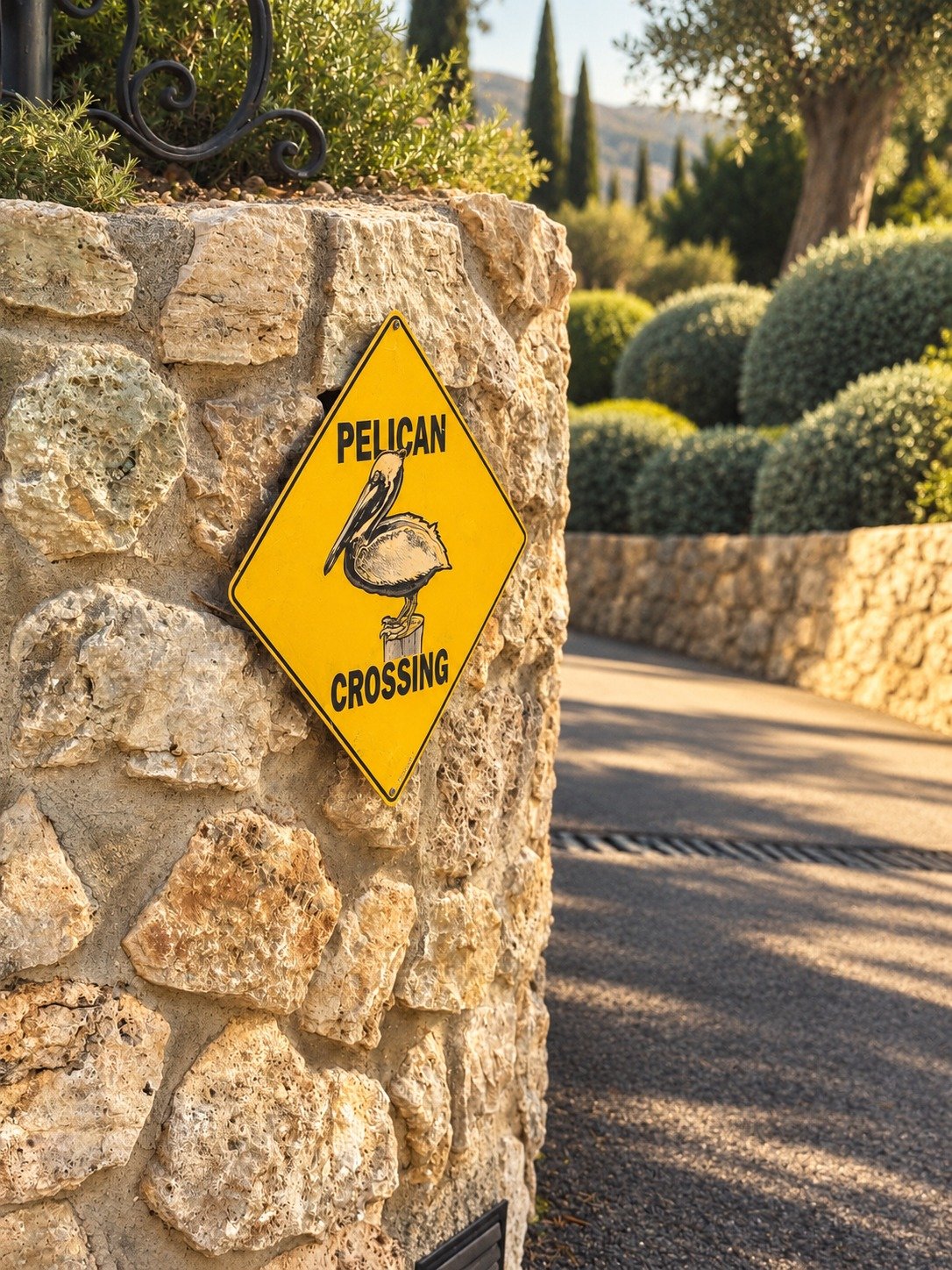
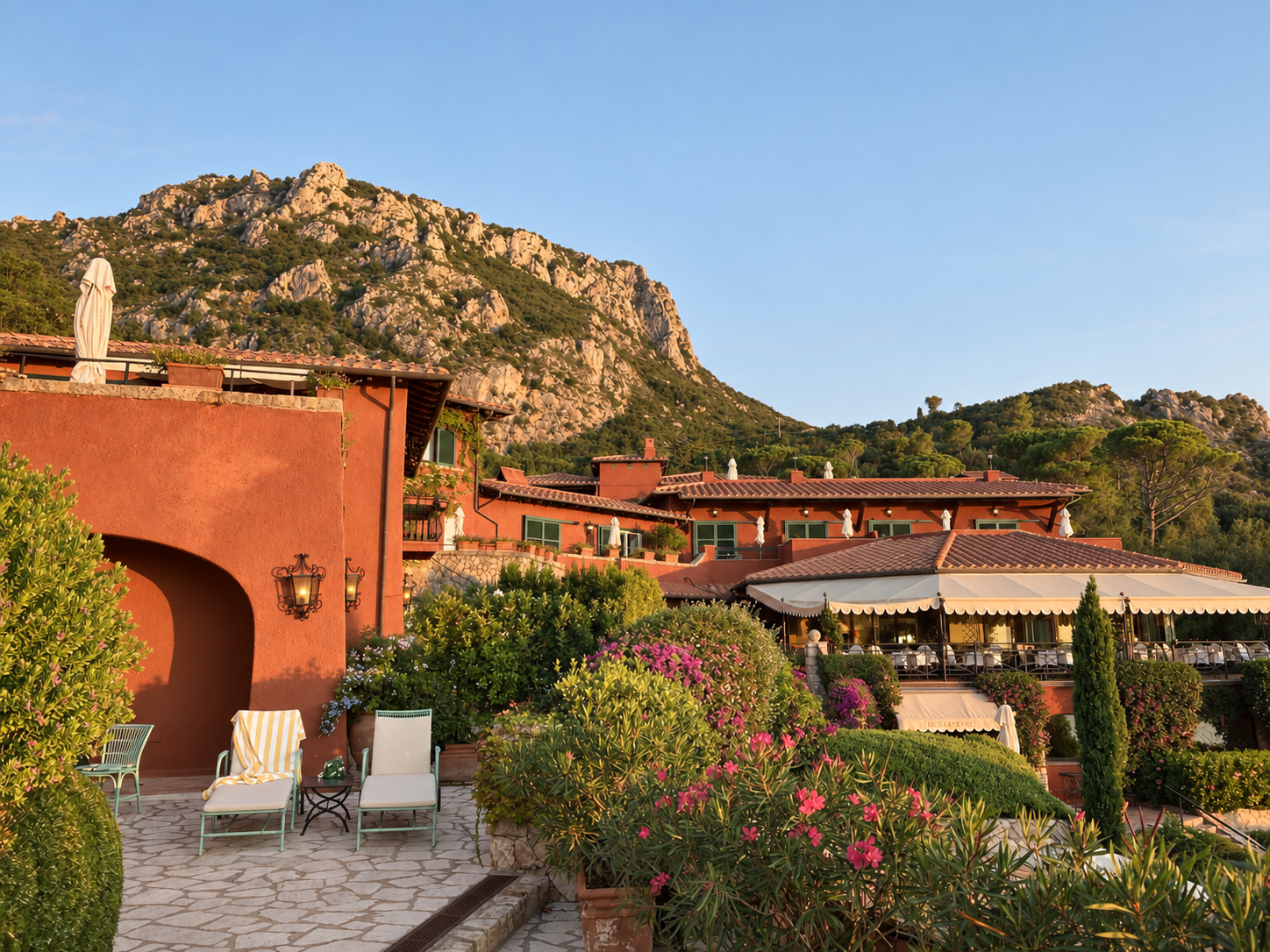
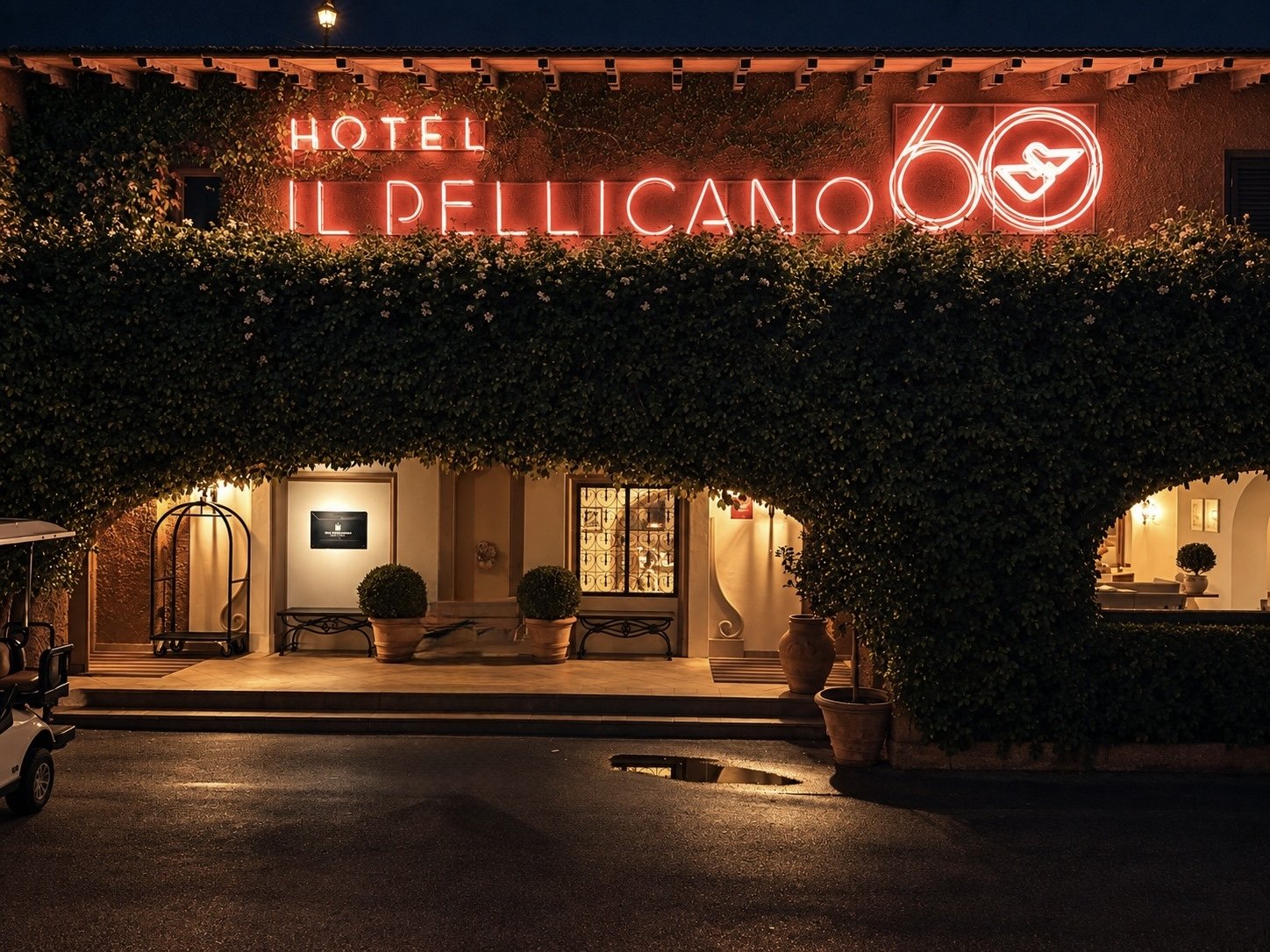
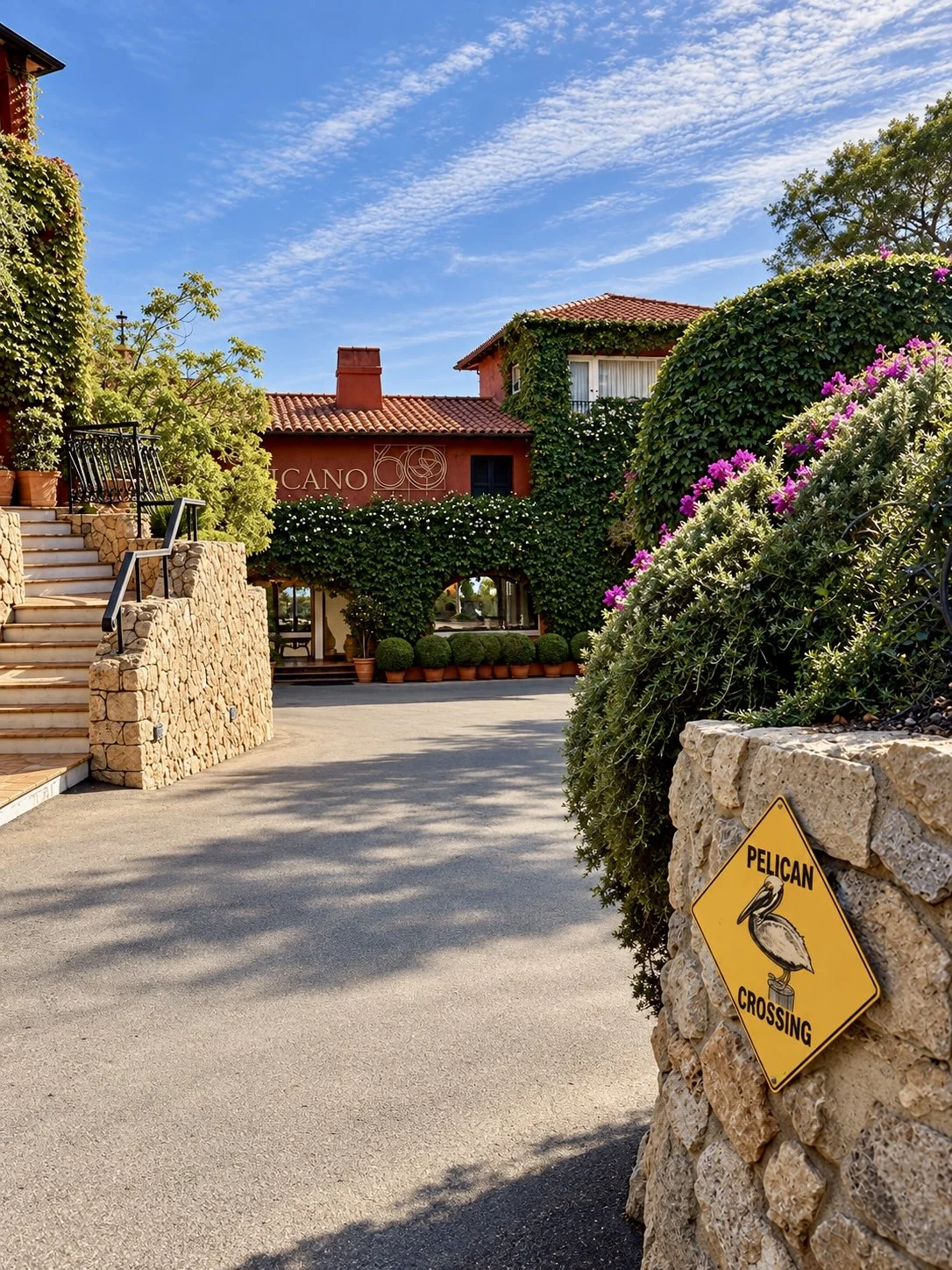
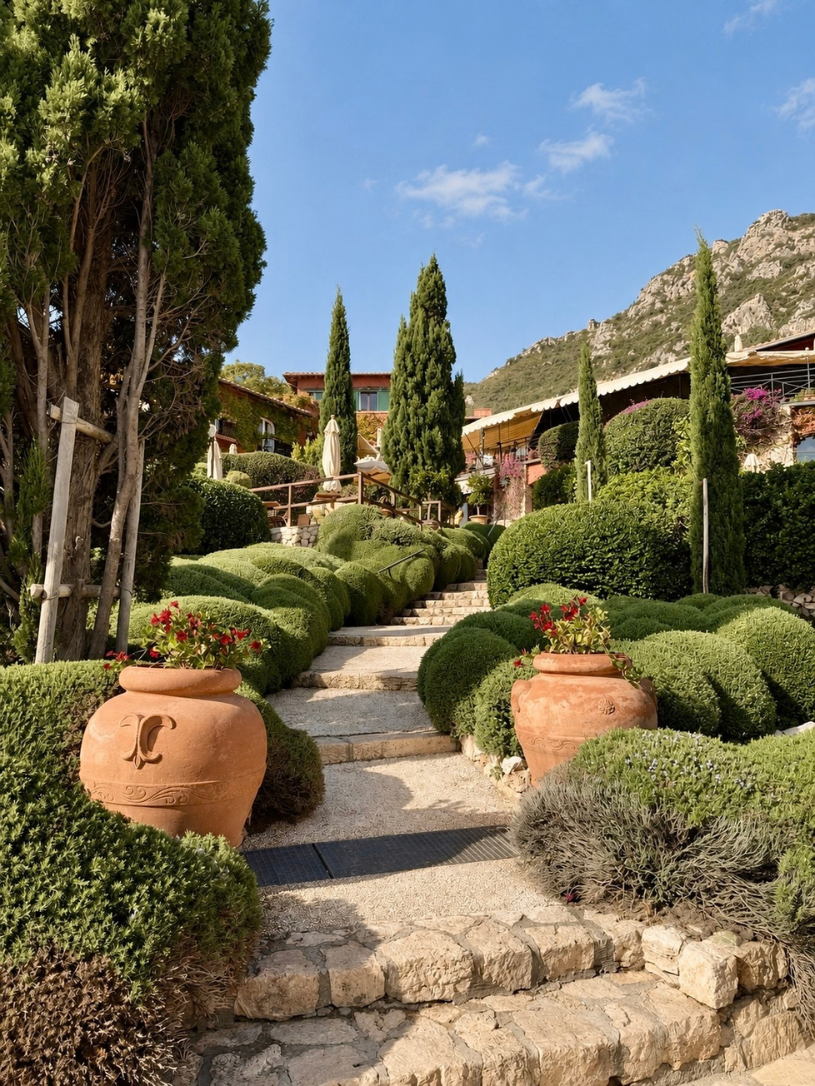
The approach alone sets the tone. A winding road cuts through the scrub and pine of Monte Argentario, the sea revealing itself in brief, tantalizing glimpses before disappearing again behind each bend. Then, suddenly a descent, and you arrive at the hotel. Low-slung and discreet, it meets the land rather than interrupting it. The buildings, washed in sun-softened ochres, dusty terracottas and weathered blush tones, appear in fluent conversation with their surroundings, as though they themselves belong entirely to the rock, the soil and the light.
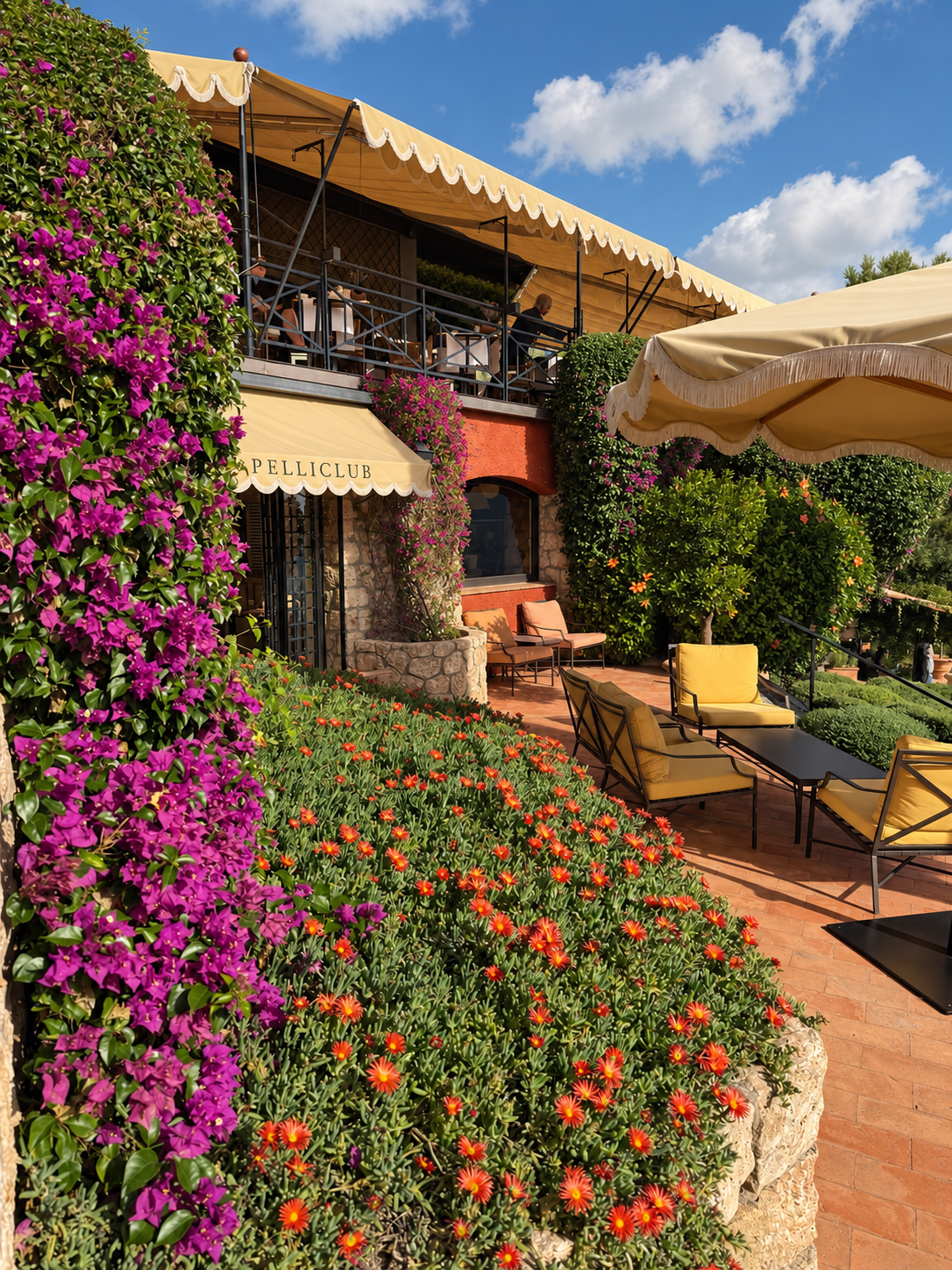
Terracotta tiles retain the day’s warmth. Bougainvillea spills in every direction. Bergamot and salt hang softly in the air. The atmosphere is neither precious nor performative, but rather confidently casual and cool. The feel is less like a destination than a state of being, and perhaps that’s because Il Pellicano began in the mid-1960s not as a hotel, but a private retreat imagined by a dashing British aviator and his charismatic American socialite wife.
“Glamour here was cultivated, not contrived; it was just the natural result of people at ease. It was a golden age of Mediterranean glamour — and in many ways, it still is.”
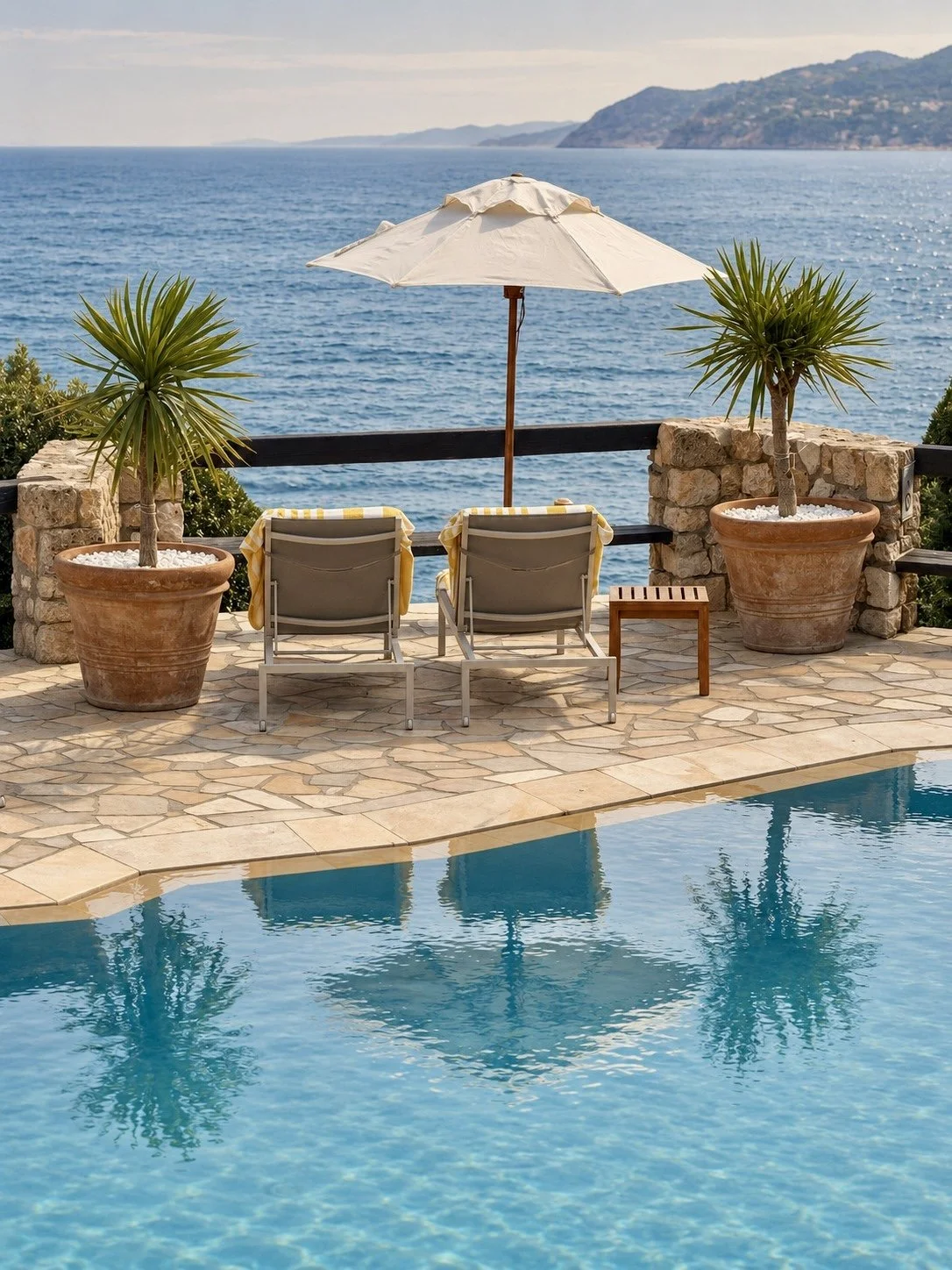
Over the decades, the property became a gathering place for an international set who understood discretion as the language of luxury — Sophia Loren, Bing Crosby and European royalty lounged around its pool, Aristotle Onassis anchored just offshore, John Wayne famously dispatched a deckhand ashore for martinis. Slim Aarons preserved the scene for posterity, and with it the art of leisure, perfected. Glamour here was cultivated, not contrived; it was just the natural result of people at ease. It was a golden age of Mediterranean glamour — and in many ways, it still is.
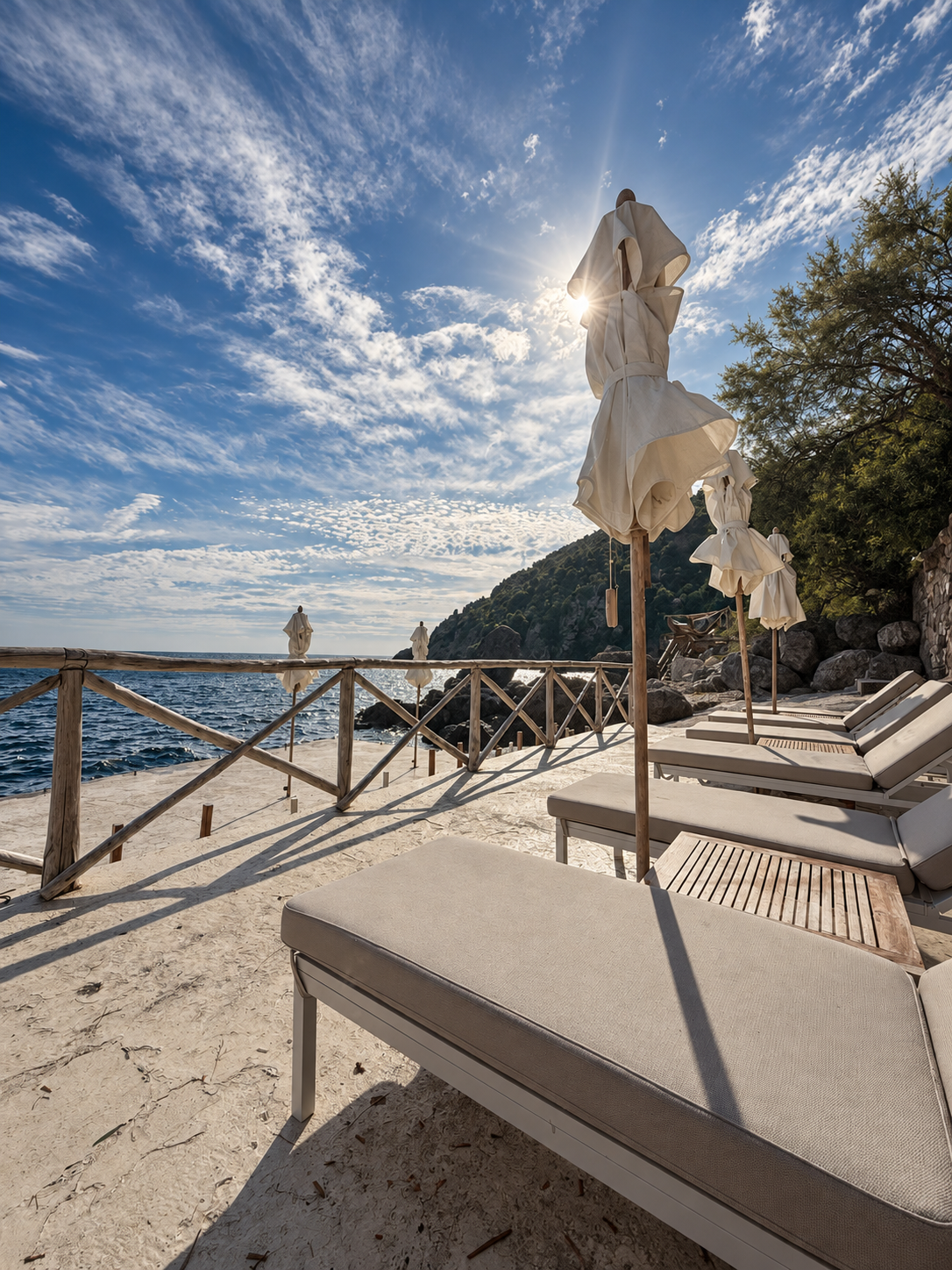
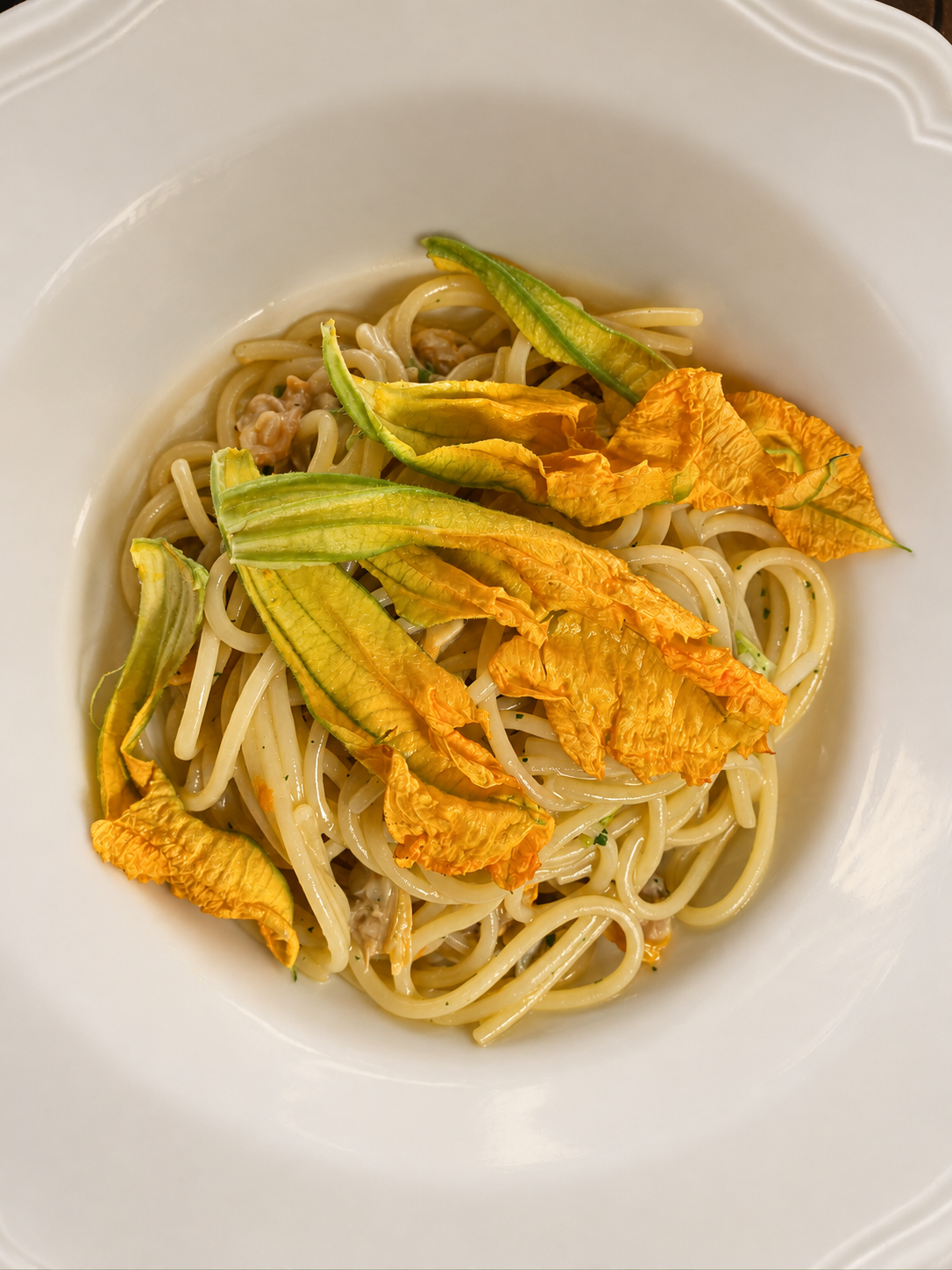
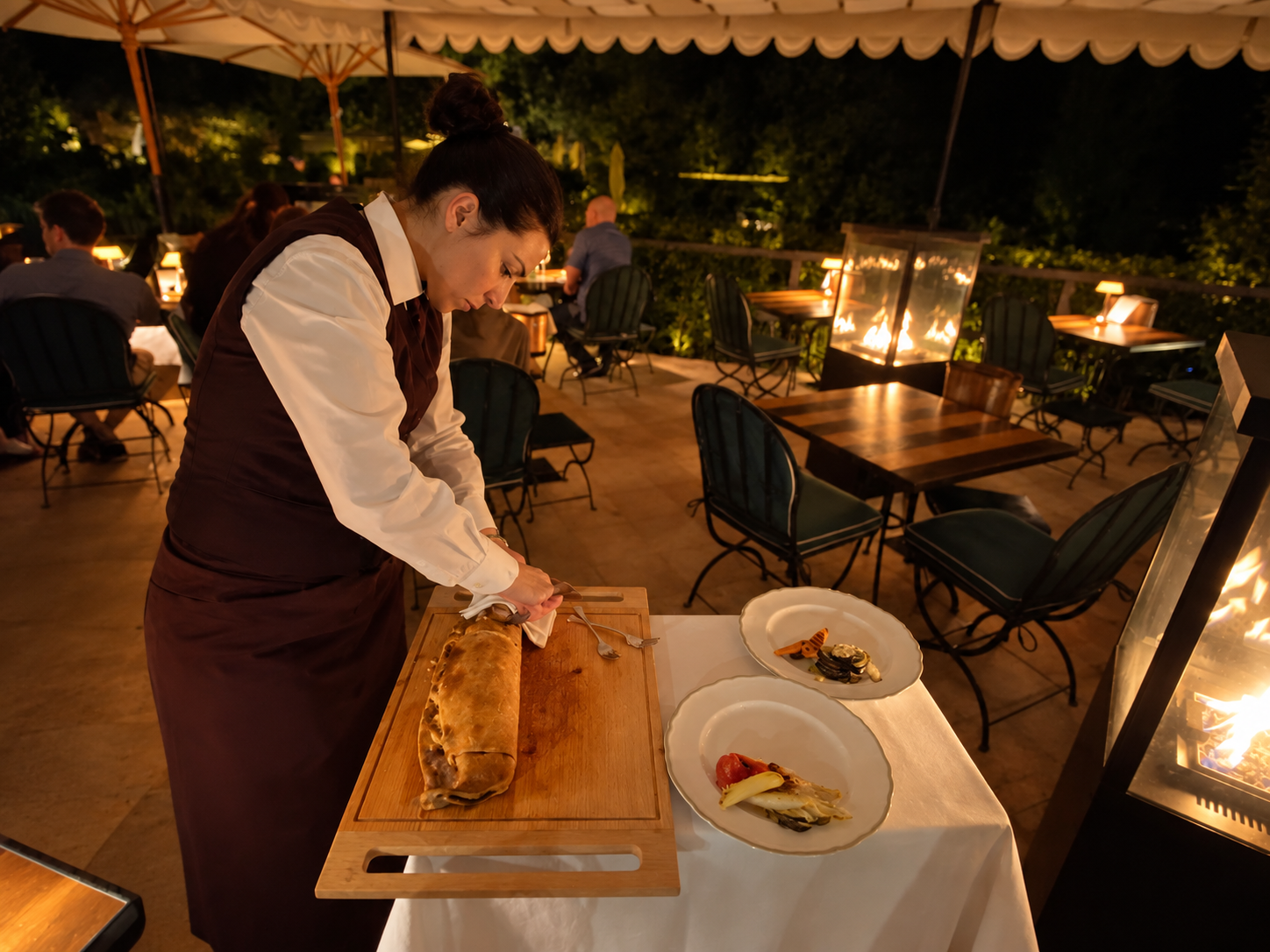
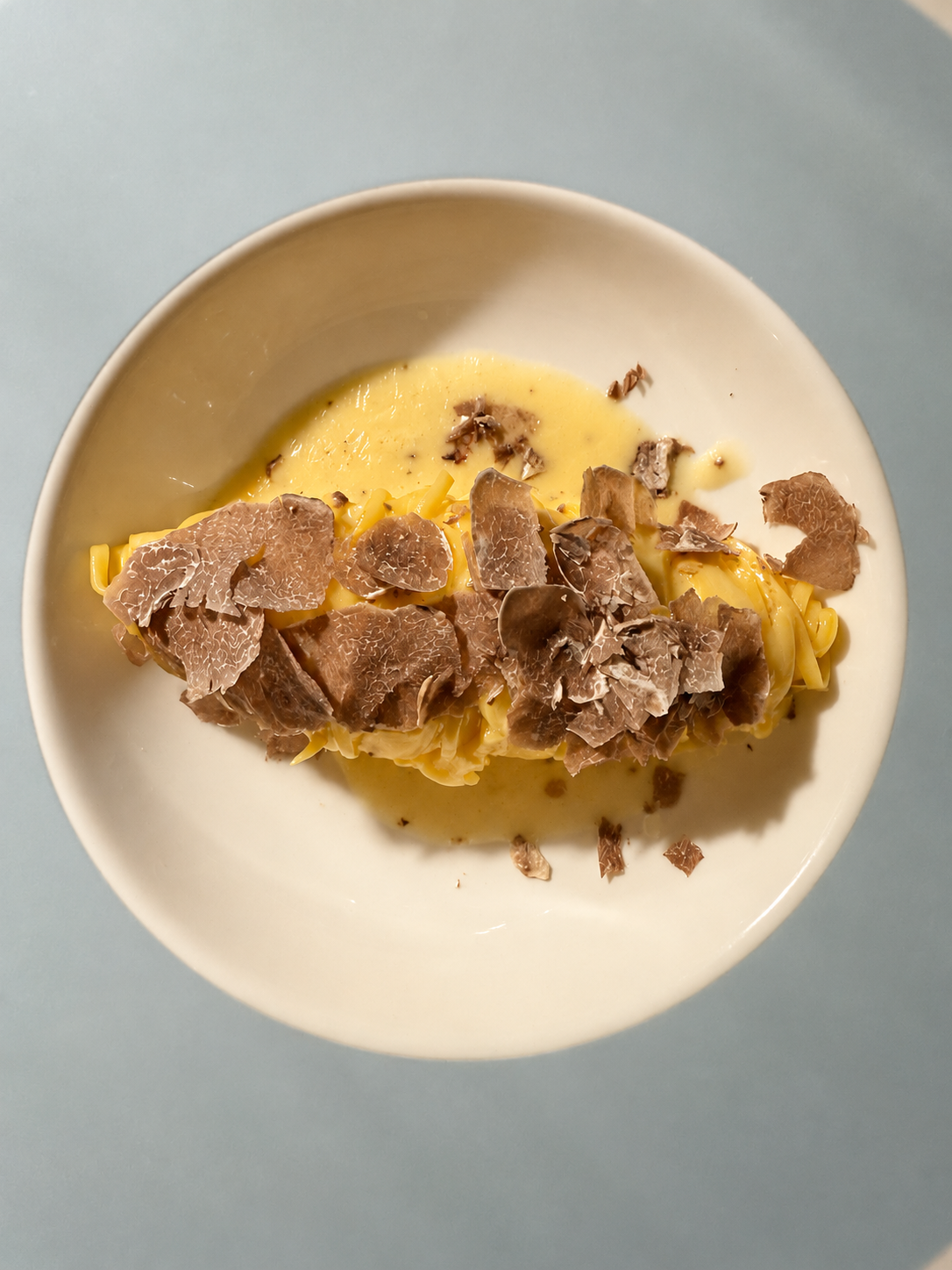
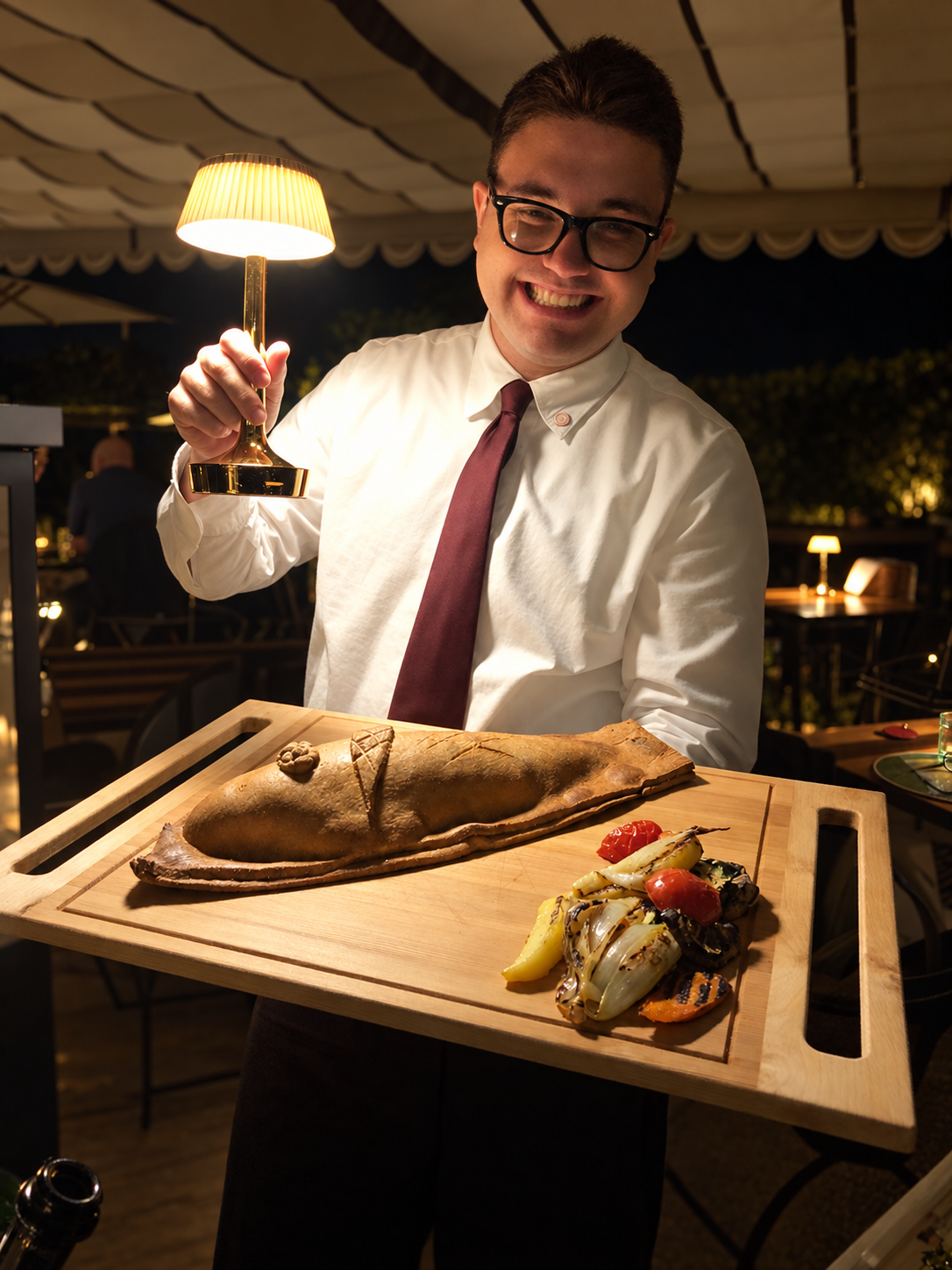
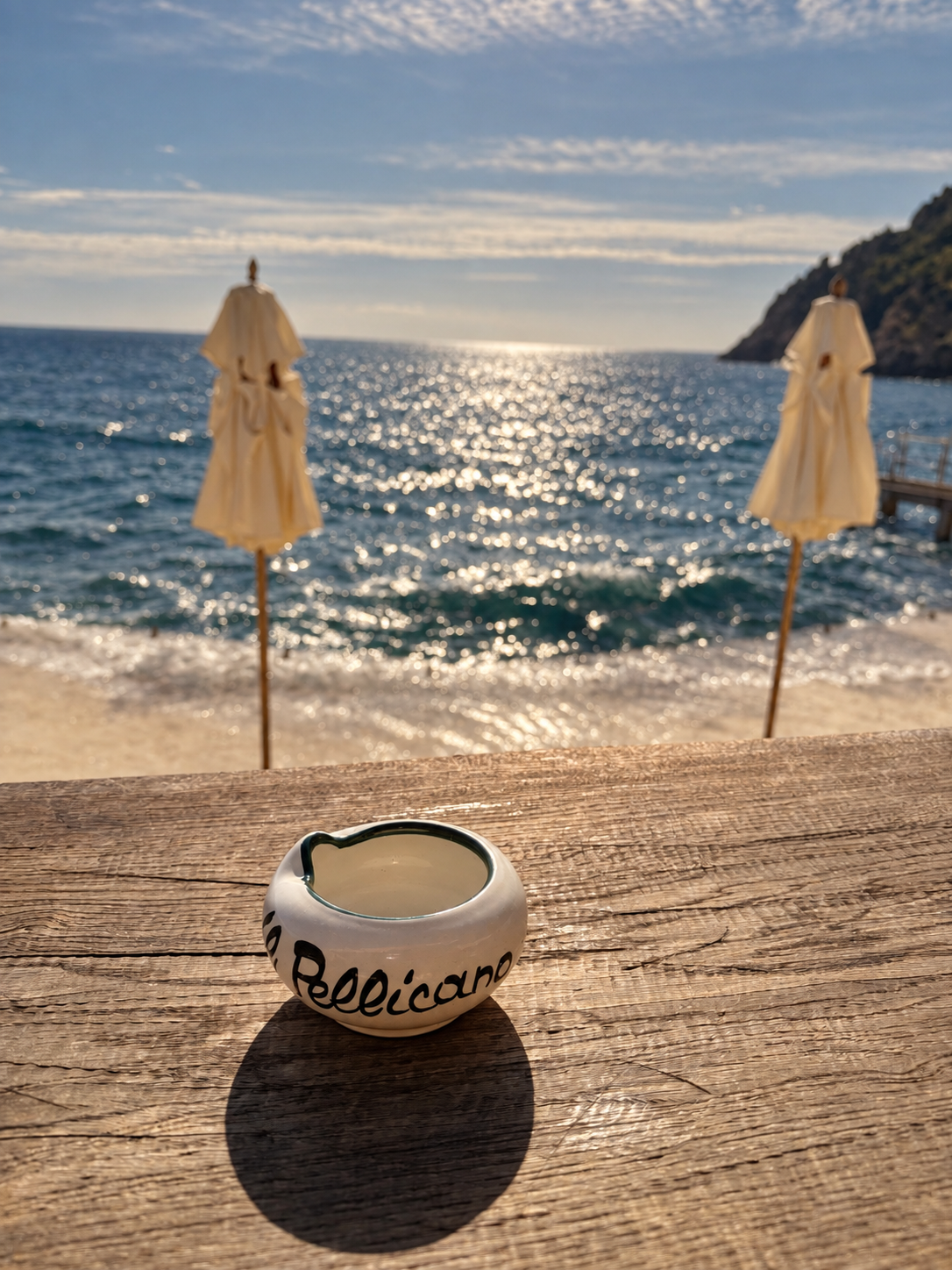
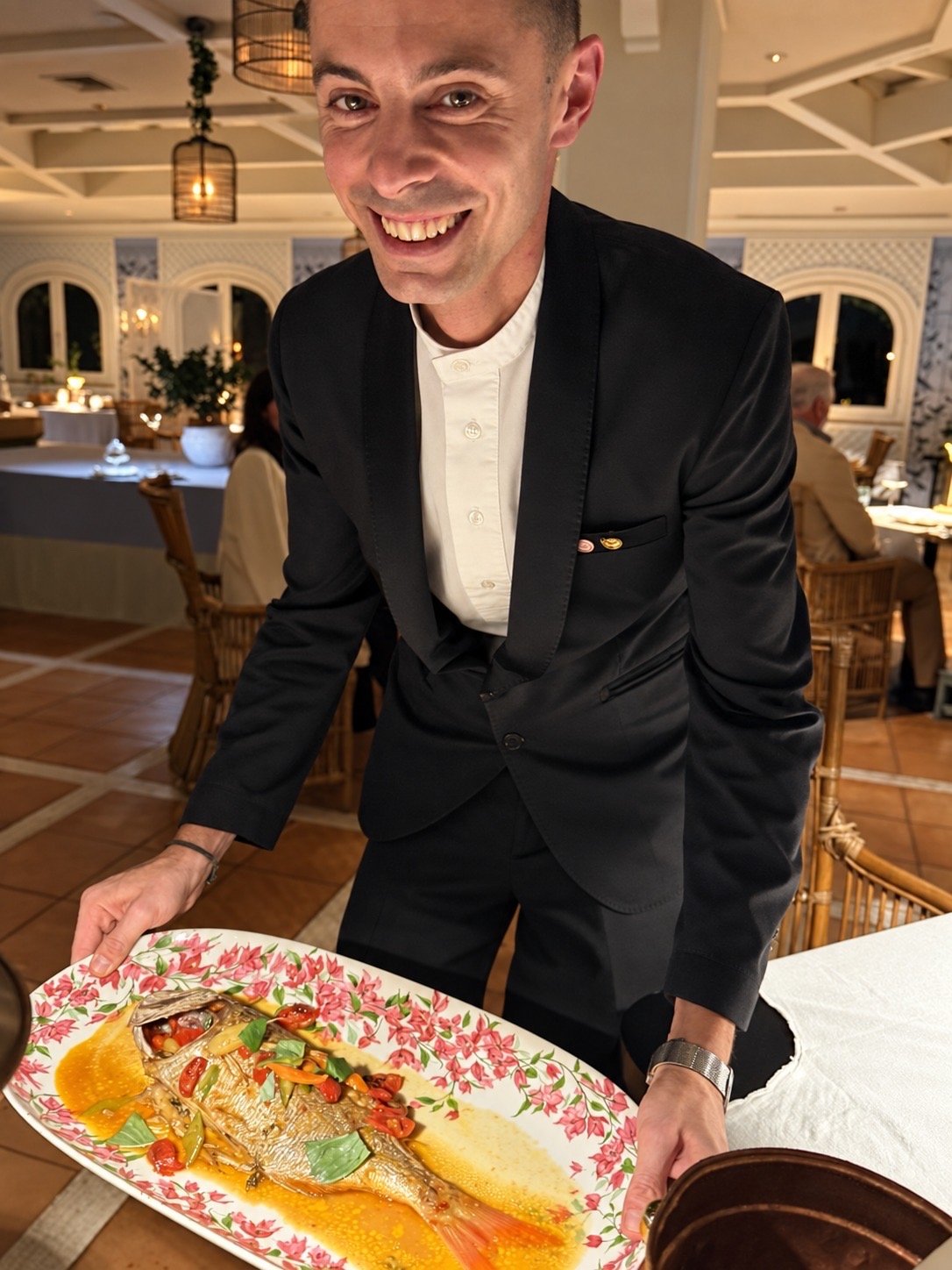
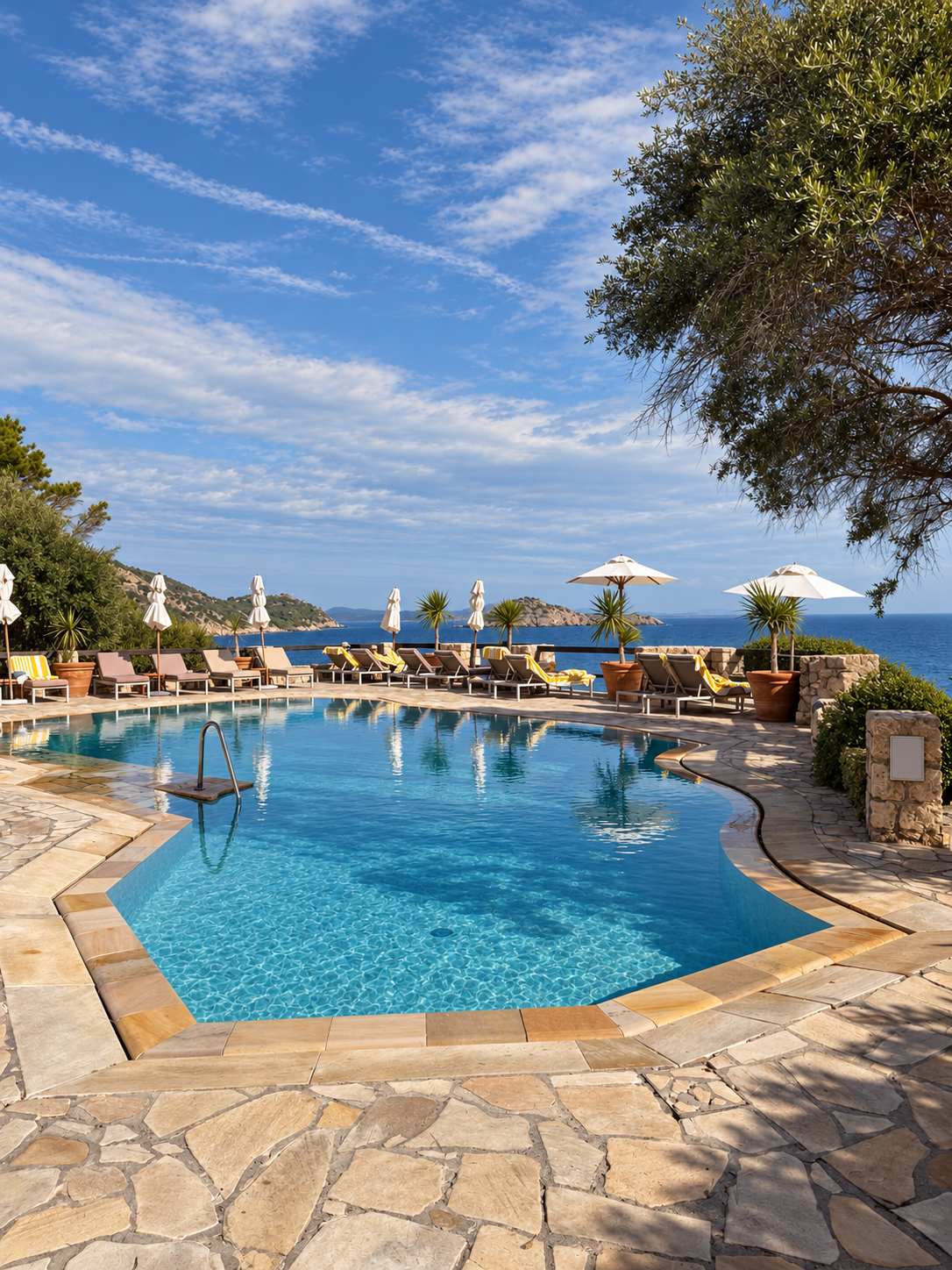
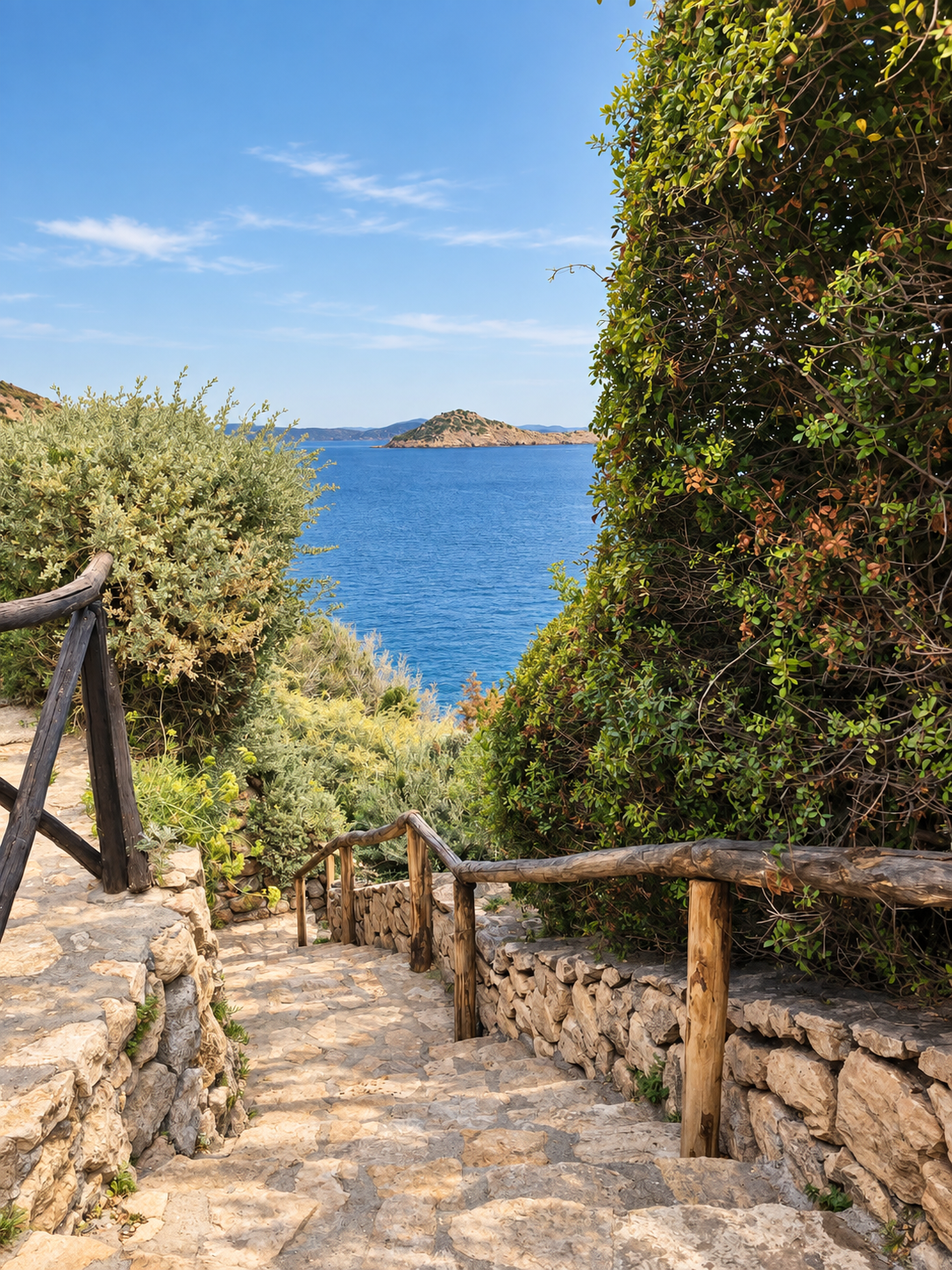
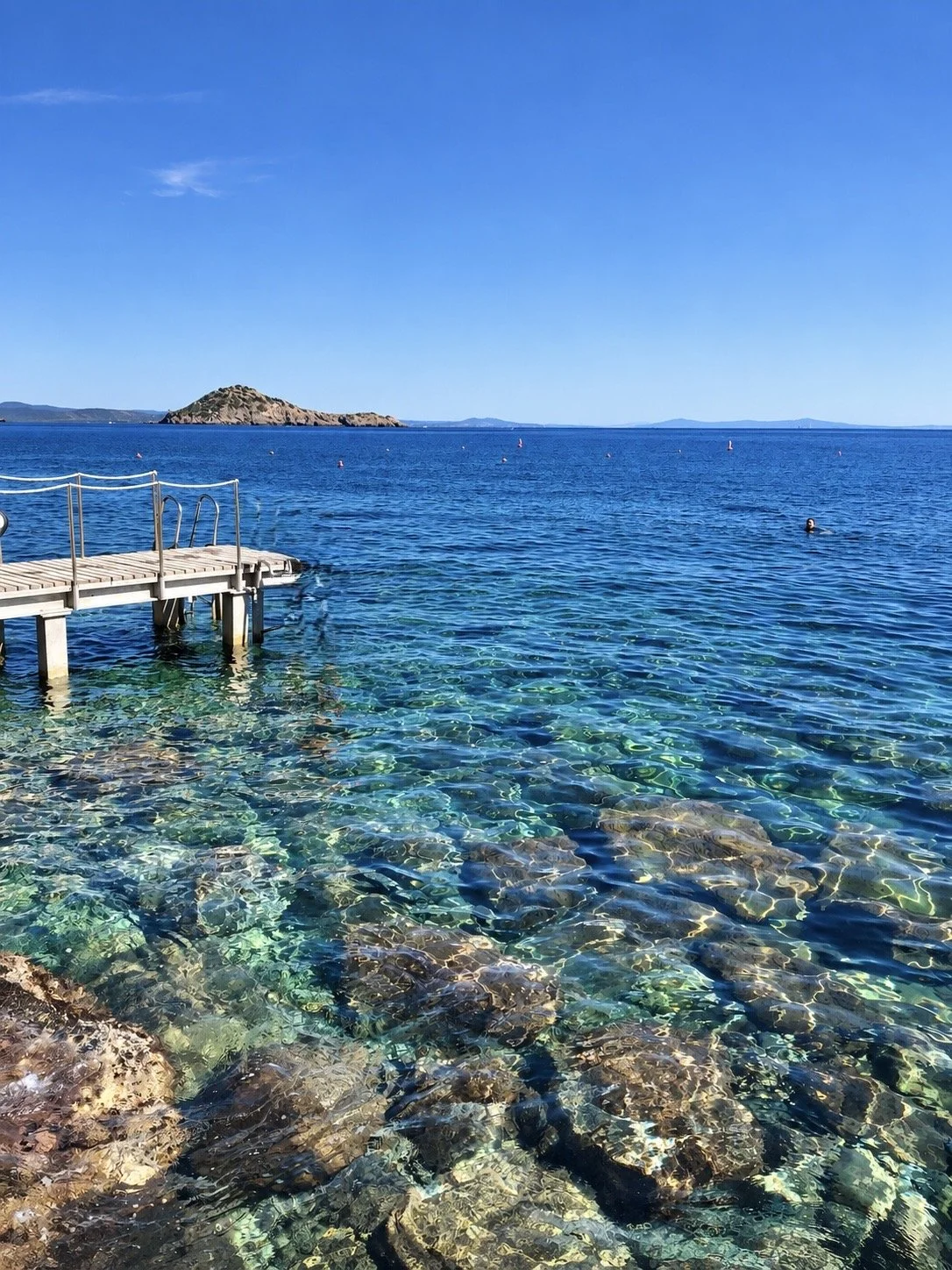
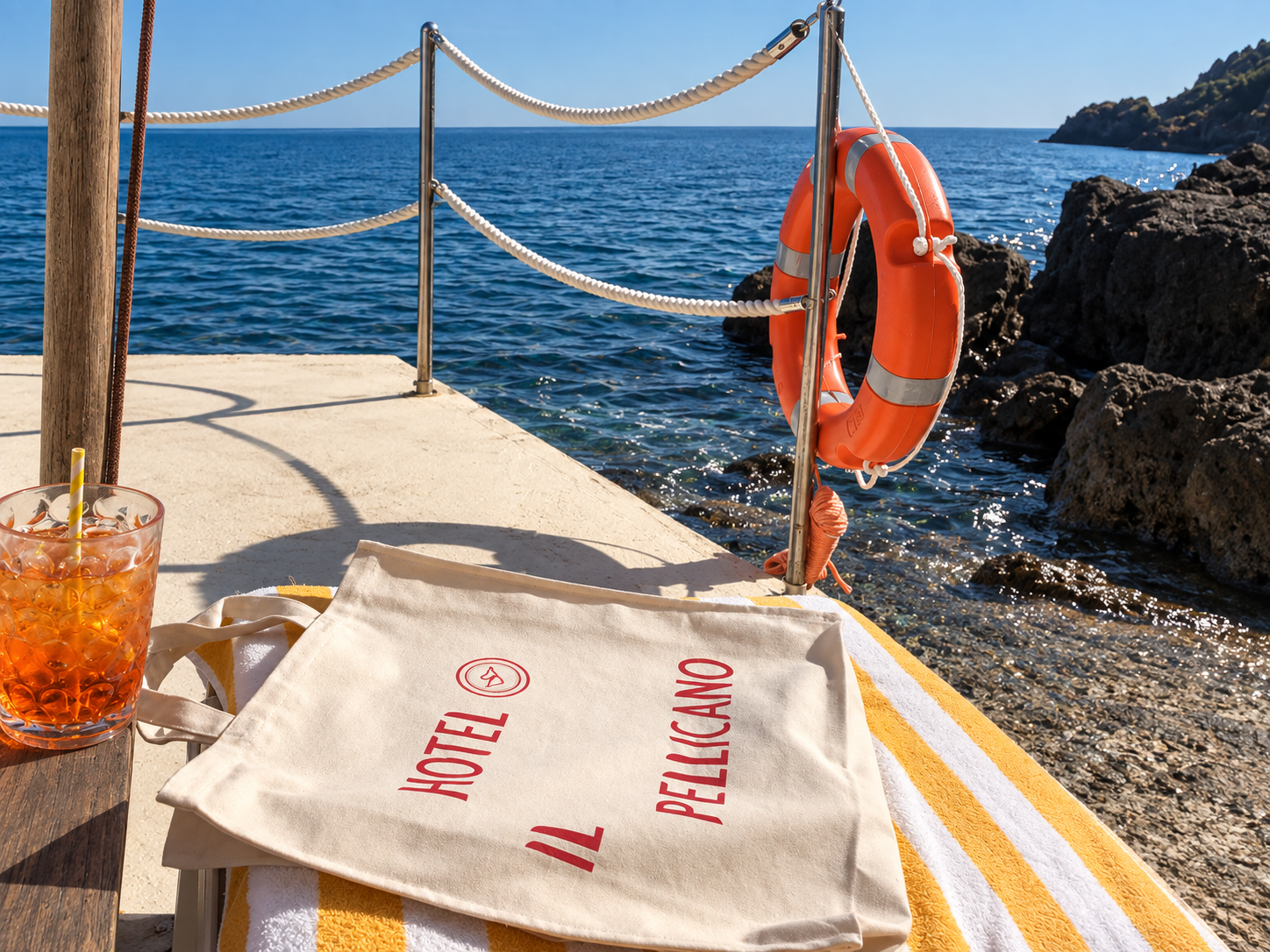
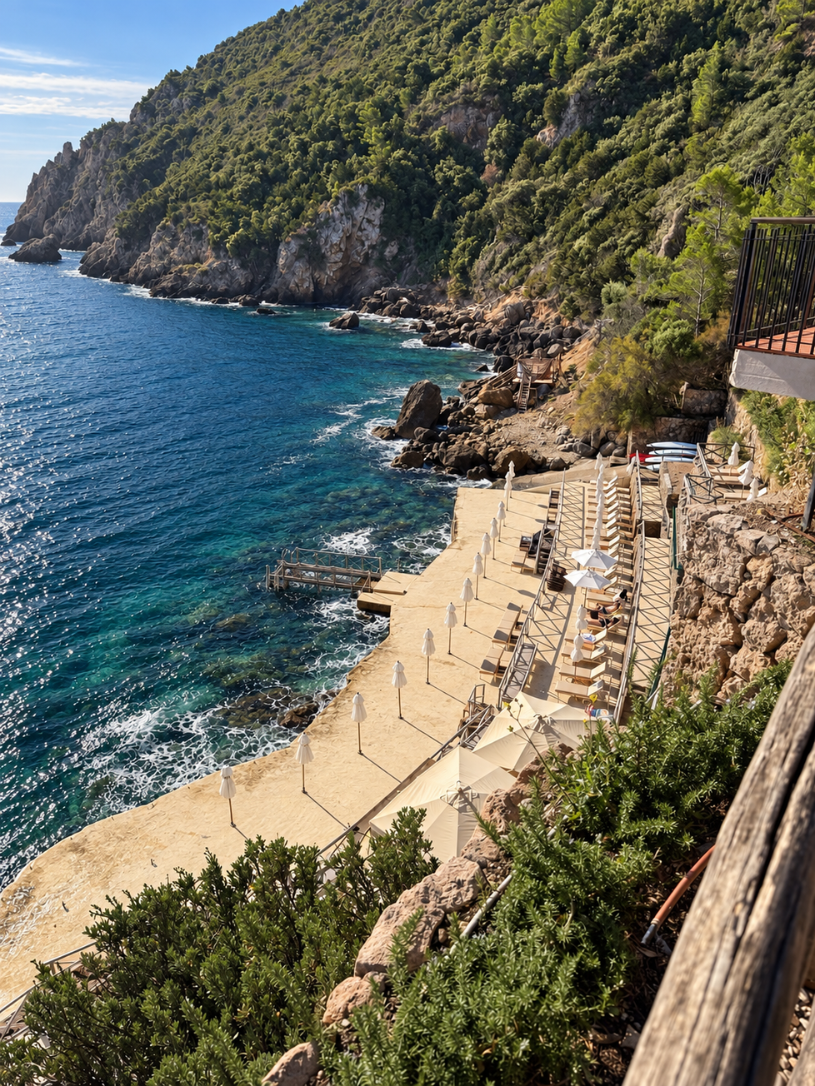
That sensibility remains intact. Mornings begin quietly — an early tennis match, caffè taken on your terrace, a maritozzo enjoyed as the island of Giglio slowly emerges from the haze. The days drift naturally between the saltwater pool and the private beach club below, reached by a steep staircase carved directly into the rock, or by elevator for those less inclined. Lunch taken al fresco at Pelligrill is unfussy and precise — a perfectly prepared pappa al pomodoro or salt-baked sea bass — the taste of each element distinct and legible. Later, dinner upstairs leans into Michelin-starred refinement rooted firmly in local tradition. Delicate crudo pulled straight from the sea, wild boar ragù from the Maremma, truffle-scented pasta that favors balance over excess.
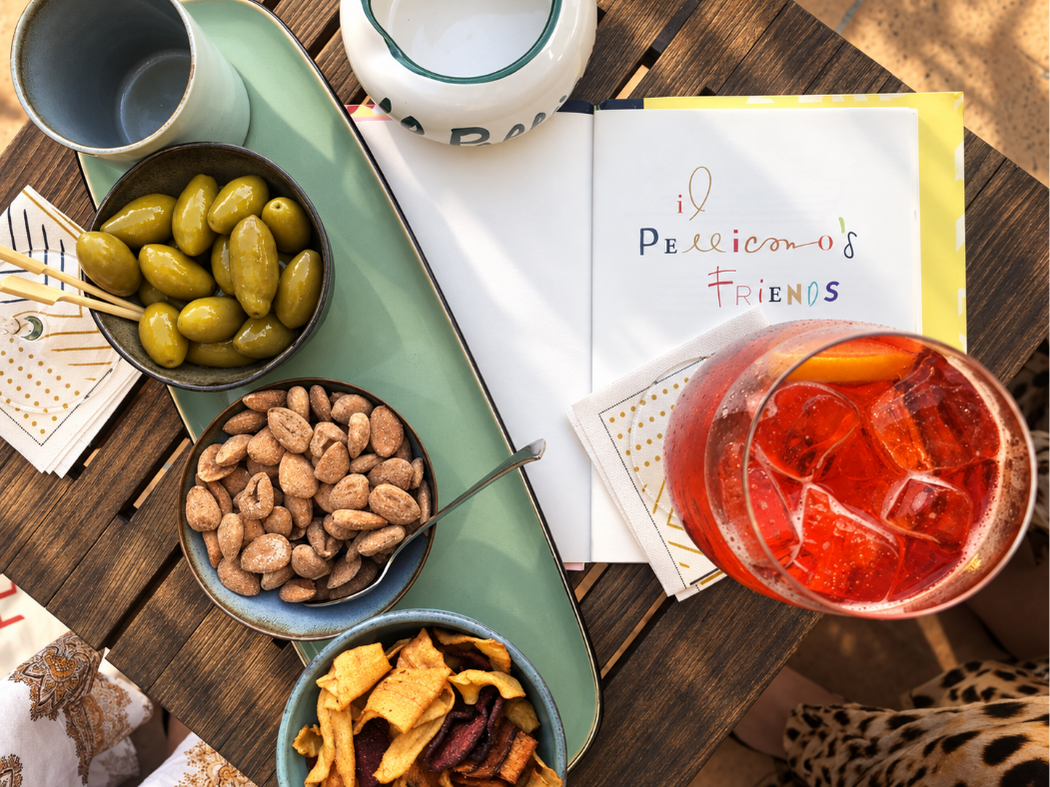
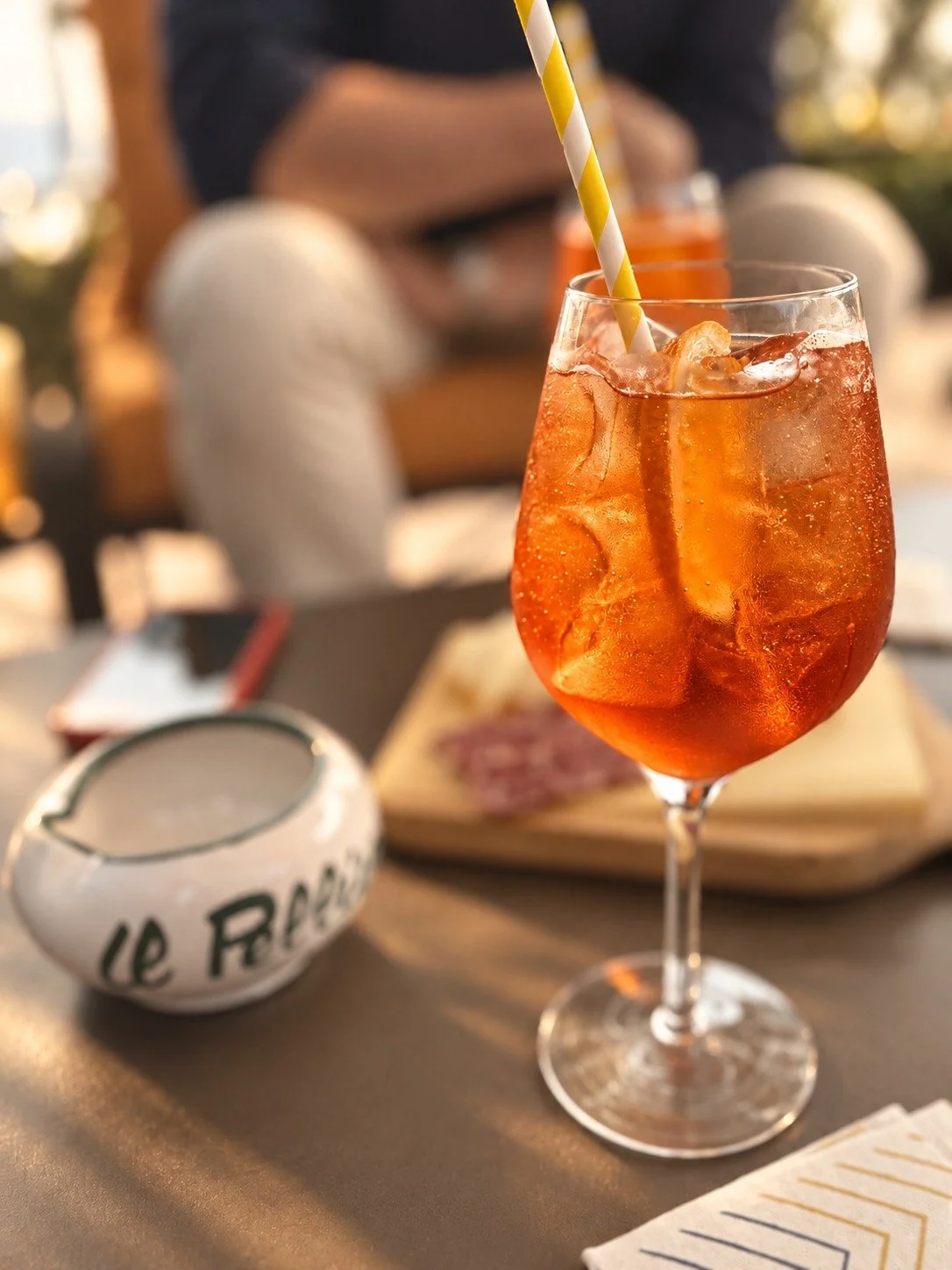
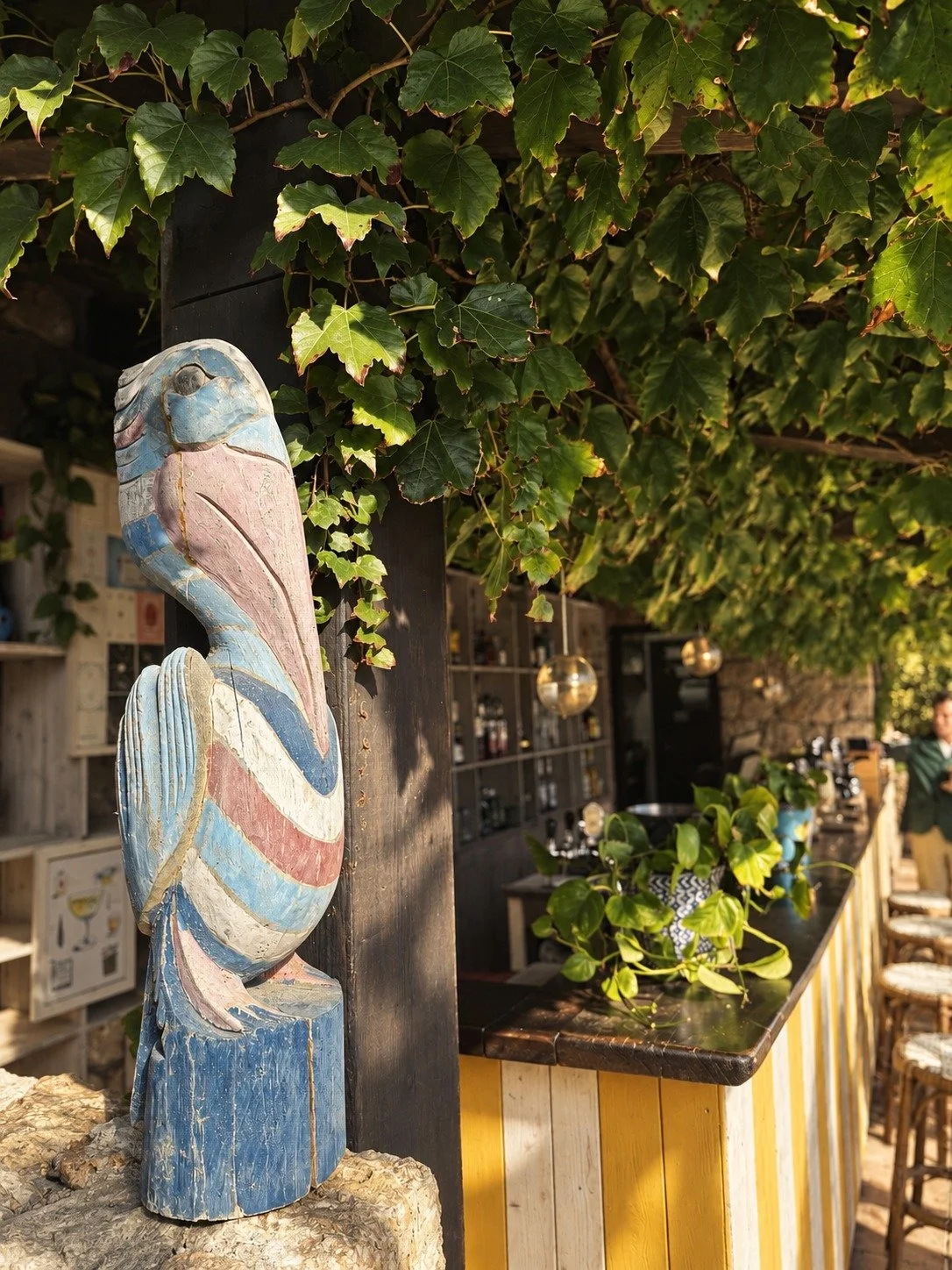
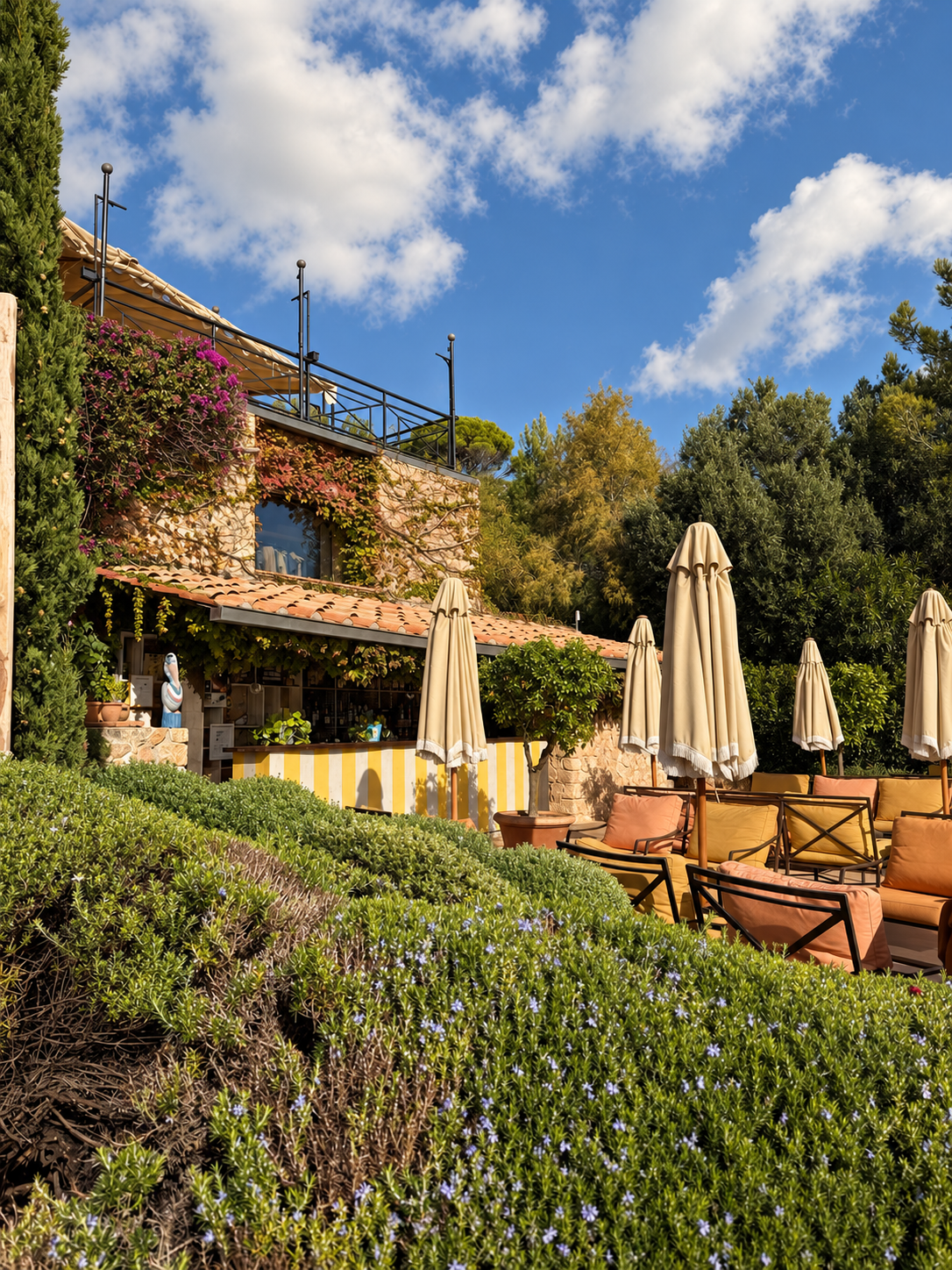
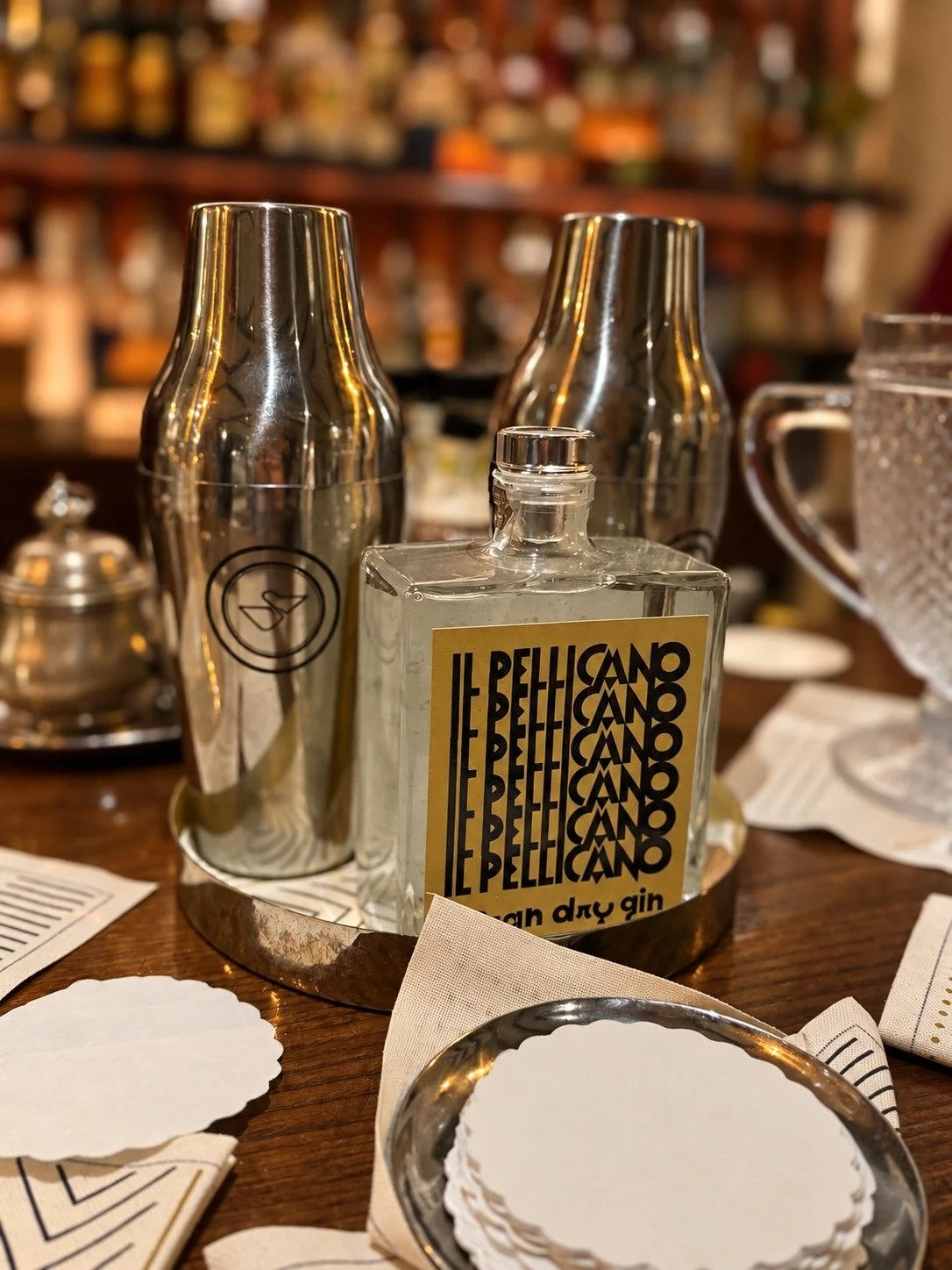
Still, it is aperitivo hour that becomes the unspoken measure of the place. At Bar All’Aperto, Federico Morosi, the hotel’s legendary bar manager, mixes classics alongside his own creations. Guests return to their seats, no one checks the time, glasses empty, then refill as conversations wander and lazily loop back.
As evening settles, the mood shifts inward, drawing regulars toward Bar Roberto, the piano bar where the day closes over music and amari.
What distinguishes Il Pellicano is its restraint. Visibility is never mistaken for relevance. That it is among the most photographed hotels in the world feels almost incidental, beside the point. It has not dated itself because it has never chased the moment or the masses. It exists slightly apart, coded rather than broadcast, its appeal understood by those attuned to it.
Elegance here emerges through structure, not adornment. Service is anticipatory but not intrusive. Days are structured by inclination, not itinerary. Menus balance finesse with familiarity. Nothing is optimized for speed or spectacle. This is sprezzatura in its truest sense, not studied nonchalance but an ingrained fluency, a way of moving through the world without friction. Everything is carefully considered, but nothing feels prescribed.
I first learned of Il Pellicano as a Midwestern college student, escaping to Italy whenever possible. For years, it existed only in my imagination, shorthand for the perfect Italian summer. When I finally arrived, nearly two decades later, it felt not like discovery, but recognition. And that is its particular spell — part heritage, part projection, completely captivating.
Il Pellicano does not attempt to persuade or reinvent itself for the moment. It continues, confident in its cadence — assured that those who understand will arrive in time.