Market Memo | October
October changes the way I want to cook. I begin to crave squash with burnished edges, mushrooms spooned over polenta and the warm, floral scent of quince poaching with cinnamon. Salad still has its place at the table — preferably made with bitter leaves, something sweet and a generous snowfall of cheese.
There is plenty to tempt us this month: pomegranates waiting to be cracked open, persimmons worth the patience and Romanesco so sculptural it seems almost a shame to cut into it. Here is what to bring home, along with a few ways to make something lovely of it.
I like to choose squash with dinner already in mind. Delicata is an easy weeknight prospect: slice it into crescents, leave the skin on and roast until deeply caramelized. A little chile and a splash of vinegar make a vivid counterpoint to its sweetness. Butternut is the one for a silky soup, perhaps scented with ginger or sage, while dense kabocha stands up beautifully to curry. Acorn is made for stuffing, each half filled with farro, herbs and Parmesan. If pumpkin catches your eye, choose a sugar or pie variety for the kitchen. Firm skin and a reassuring weight are better guides than a particularly photogenic shape.
Once the oven is on, sweet potatoes are an effortless addition. Roast them whole and they ask for almost no attention; the next day, split one open for lunch and dress it with yogurt, lime and chile oil. I like crisp wedges with salty feta, or a mash glossed with brown butter and sage. Their sweetness is generous enough; citrus, heat and a little sharpness give it somewhere more interesting to go.
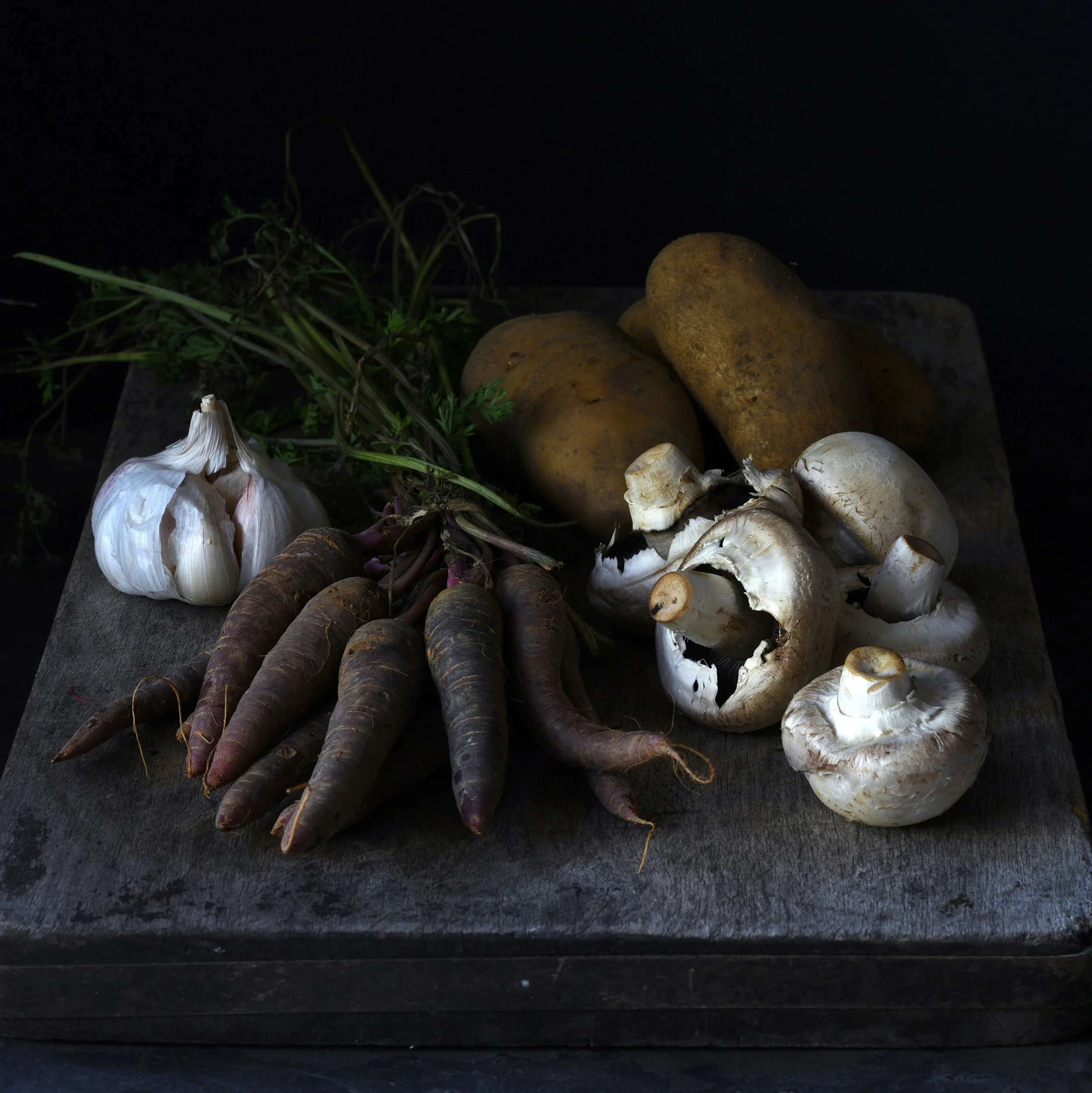
The roots offer a different kind of pleasure. Roast beets until tender, then quarter and serve them over whipped goat cheese with chopped pistachios. Parsnips turn golden and tender beside thyme and roast meat. Celery root demands a more determined hand with the knife, but beneath its knobbly exterior lies pale flesh with a delicate celery fragrance. Cook it with potatoes for a silken purée, or cut it into fine matchsticks for rémoulade. A mustardy spoonful beside cold roast chicken is an excellent reason to make extra.
Mushrooms bring me back to the stove. Cultivated varieties are available year-round, though their earthy flavor feels especially right now, with butter, thyme and a glass of red wine nearby. Maitake’s frilled caps crisp beautifully; oyster mushrooms are tender enough to tear by hand. Chanterelles, when available, are worth seeking out. Give any of them plenty of room in the pan and time to brown before adding butter. Once cooked, they can be folded through pasta, piled onto toast with a soft egg or served over the polenta I have been thinking about since the weather turned.
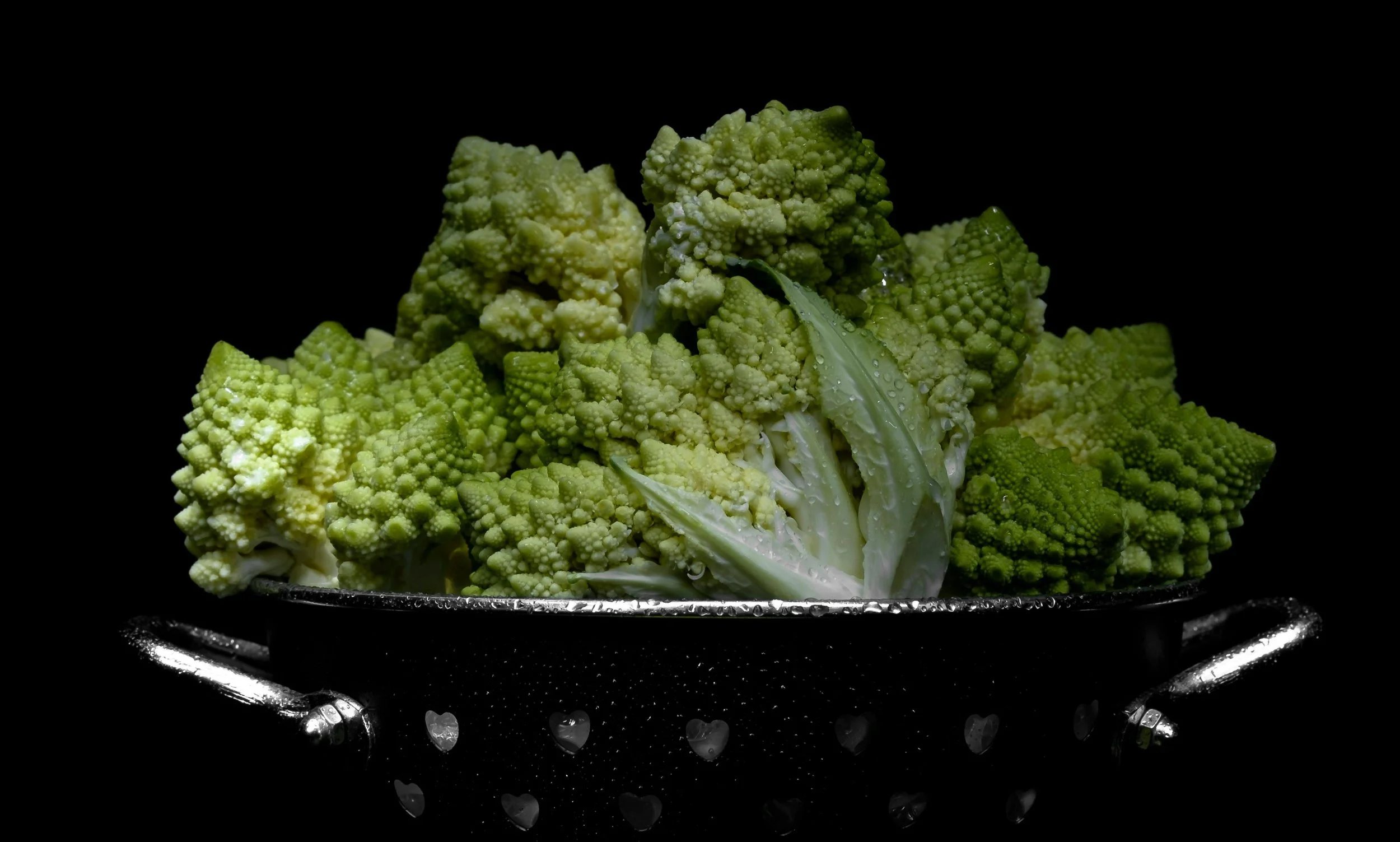
Brussels sprouts and Romanesco make an equally persuasive case for high heat. Choose tight, compact sprouts and halve them so the cut sides can take on color. Sauté them with pancetta until browned, then top with a spoonful of horseradish crème fraîche. I also love them shaved raw in a salad with dates and Marcona almonds. Romanesco is harder to treat so casually. Its green spires invite admiration before the knife comes out, but its mild, nutty flavor is reason enough to cook it. Roast the florets until their tips begin to char, then dress them with anchovy, lemon and olive oil. A scattering of toasted breadcrumbs is a very good finish.
After the richness of the roasting pan, I want bitter leaves on the table. My winter salad combines radicchio, crisp apples and shaved cheese with a mustard dressing lively enough to stand up to the leaves. Endive makes a crisp little aperitivo bite filled with blue cheese and fruit or olive tapenade. Escarole can go straight into a pot with white beans and garlic, where the leaves soften and their bitterness seasons the broth.
The fruit can find its way into savory dishes before we even think about dessert. Pomegranate arils scattered over squash add tartness and a little spectacle; a handful tossed with greens makes every forkful more vivid. Choose a fruit that feels heavy for its size. I halve mine, hold it cut-side down over a bowl and whack the skin with a wooden spoon until the arils tumble out. Firm Fuyu persimmons, the squat, tomato-shaped variety, can be sliced into a kale salad or served with cheese. Their honeyed sweetness is especially good against salt.
The elongated Hachiya asks us to wait until the whole fruit is very soft and its flesh almost jelly-like. At that point, it is wonderful spooned over yogurt or baked into a cake; before then, its astringency can be formidable. Quince smells of roses and apples. Most varieties need cooking, and a gentle poach with sugar, lemon and cinnamon turns the firm flesh tender and sometimes blush-pink. Keep the fruit in its syrup for breakfasts, serve it beside roast pork or tuck a few slices into an apple tart. A single pot can offer several small pleasures over the course of the week.
Roast the squash, char the chicories and poach the quince. If dinner takes a little longer, pour another glass of wine.
Your table, beautifully in season.