Olive Tapenade in Endive
SERVES: 6–8 AS APPETIZER; MAKES APPROXIMATELY 1 ½ CUPS TAPENADE
A can of black olives is enough. Nothing more is required. Not preserved lemons flown in from some far-off market, not hand-pitted olives from a specialty counter, but a humble can of black olives waiting patiently in the pantry.
This tapenade begins there. Yes, canned. Their softness is a virtue, not a compromise, lending body and ease. To them, I add a small handful of briny Kalamatas, a couple cloves of garlic, oil-packed sun-dried tomatoes — drained but still lush with concentrated sweetness — a scatter of fresh parsley, pinch of red pepper flakes and a glug of good olive oil. Everything is pulsed in the food processor just until it comes together: not a paste, but a coarse, textured spread. Season judiciously with salt and freshly ground pepper; the olives will guide you.
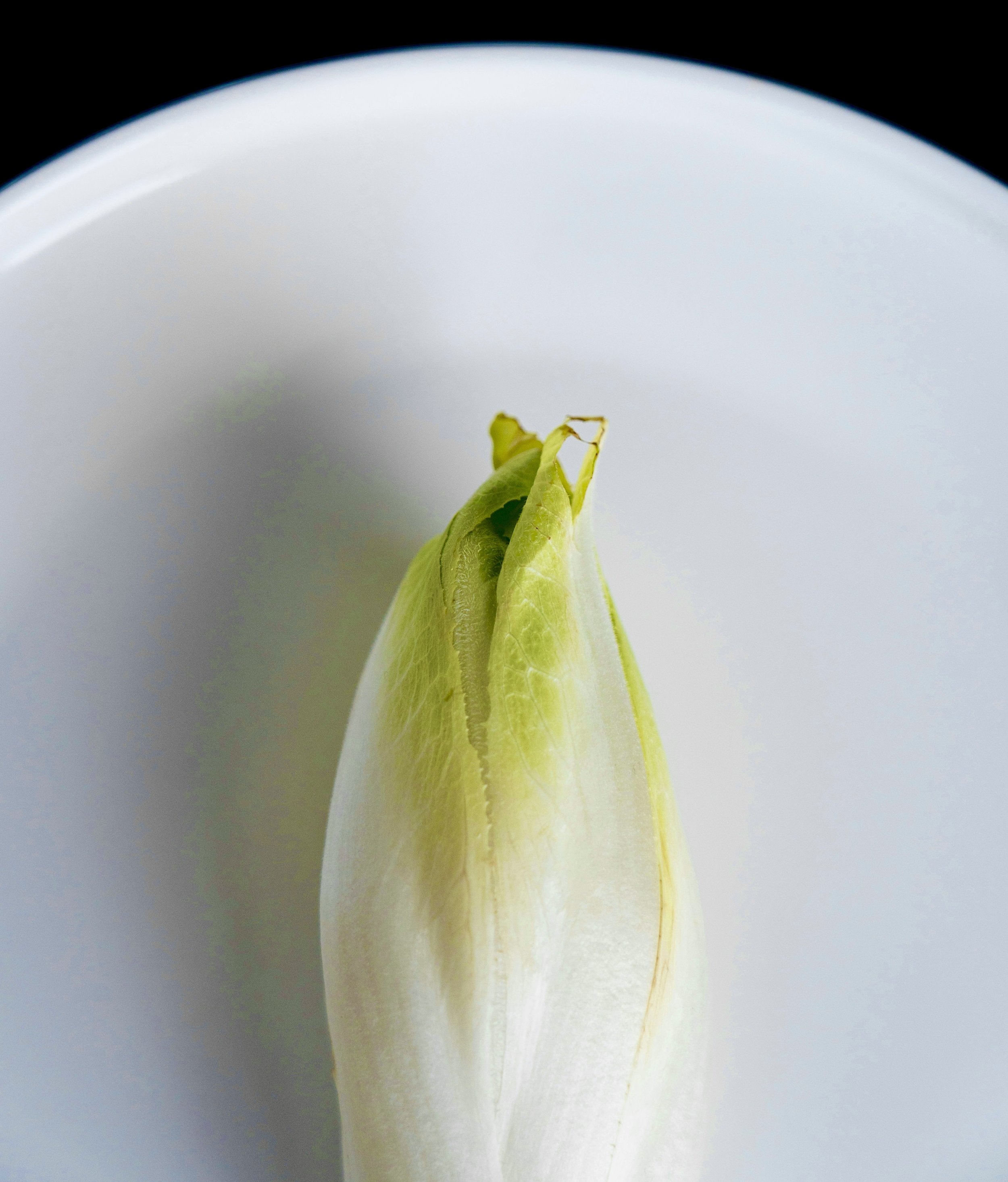
It is briny and assertive, the sweetness of the tomatoes rounding the edges of the garlic, the parsley keeping it fresh. I prefer to spoon it into crisp endive leaves rather than heap it onto bread. The endive lends structure — cool, pale and delicately bitter — a counterpoint that sharpens and contains it. Crackers are welcome, of course, but endive lends a certain elegance: a small architectural vessel that turns pantry improvisation into something worthy of aperitivo hour.
It’s quick, but not casual.
INGREDIENTS
1 (6-ounce) can black olives, drained
1/2 cup Kalamata olives, pitted
2 cloves garlic; skin removed
3 tablespoons oil-packed sun-dried tomatoes, drained
A few sprigs fresh parsley (about 1/4 cup loosely packed leaves)
3/4 tablespoon good olive oil
Pinch red pepper flakes
Kosher salt and freshly ground black pepper, to taste
2–3 heads Belgian endive, leaves washed and separated (for serving)
Crackers and bread, optional
METHOD
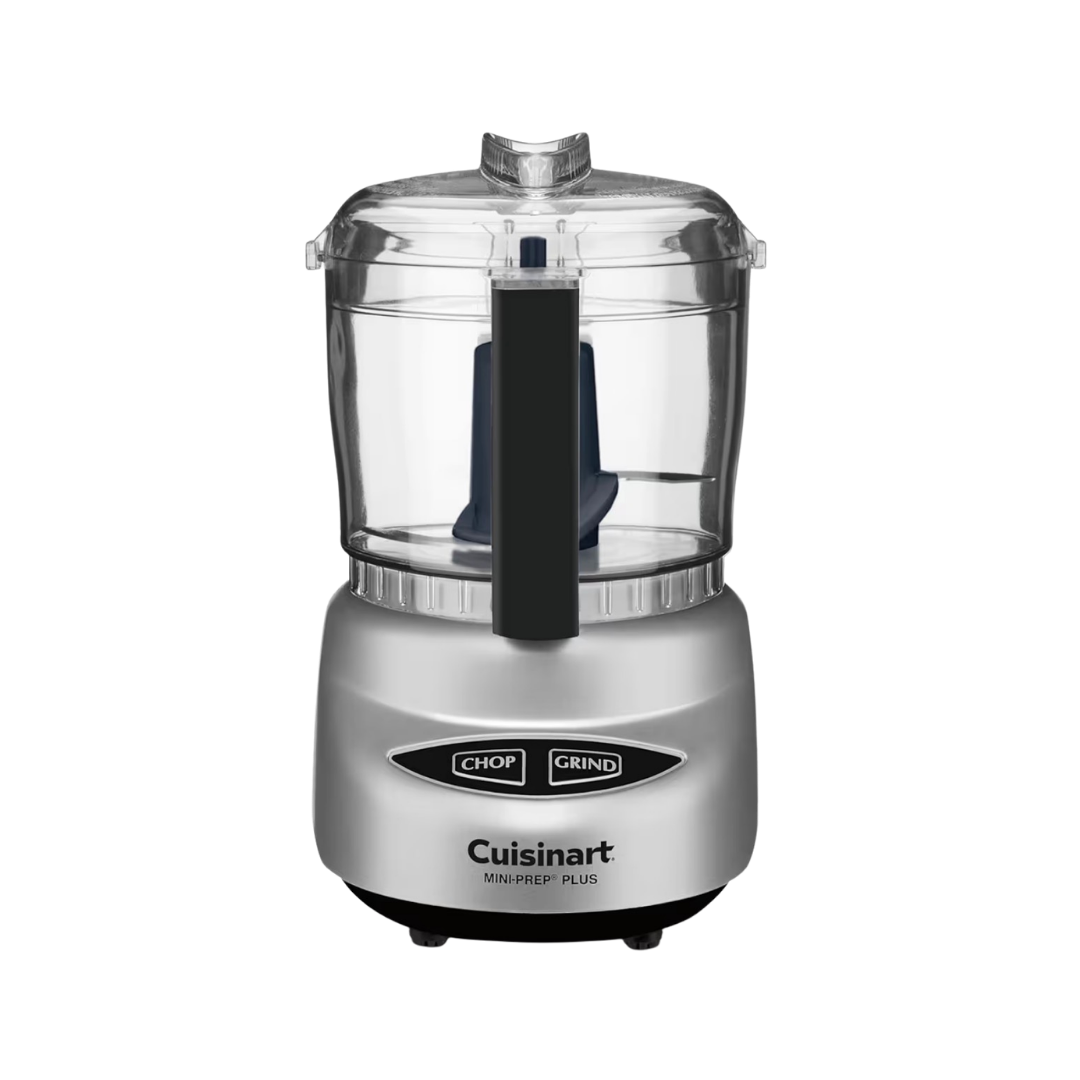
In the bowl of a food processor, combine the black olives, Kalamatas, garlic, sun-dried tomatoes, parsley, red pepper flakes and olive oil.
Pulse until the mixture is chunky and combined. Avoid over-processing; the texture should remain coarse and spoonable, not smooth.
Taste and season with salt and freshly ground black pepper as needed. (Depending on the salinity of your olives, you may need very little additional salt.)
Transfer to a serving bowl. Spoon into endive leaves just before serving, or serve alongside for guests to scoop. Offer bread or crackers if desired.
To Serve
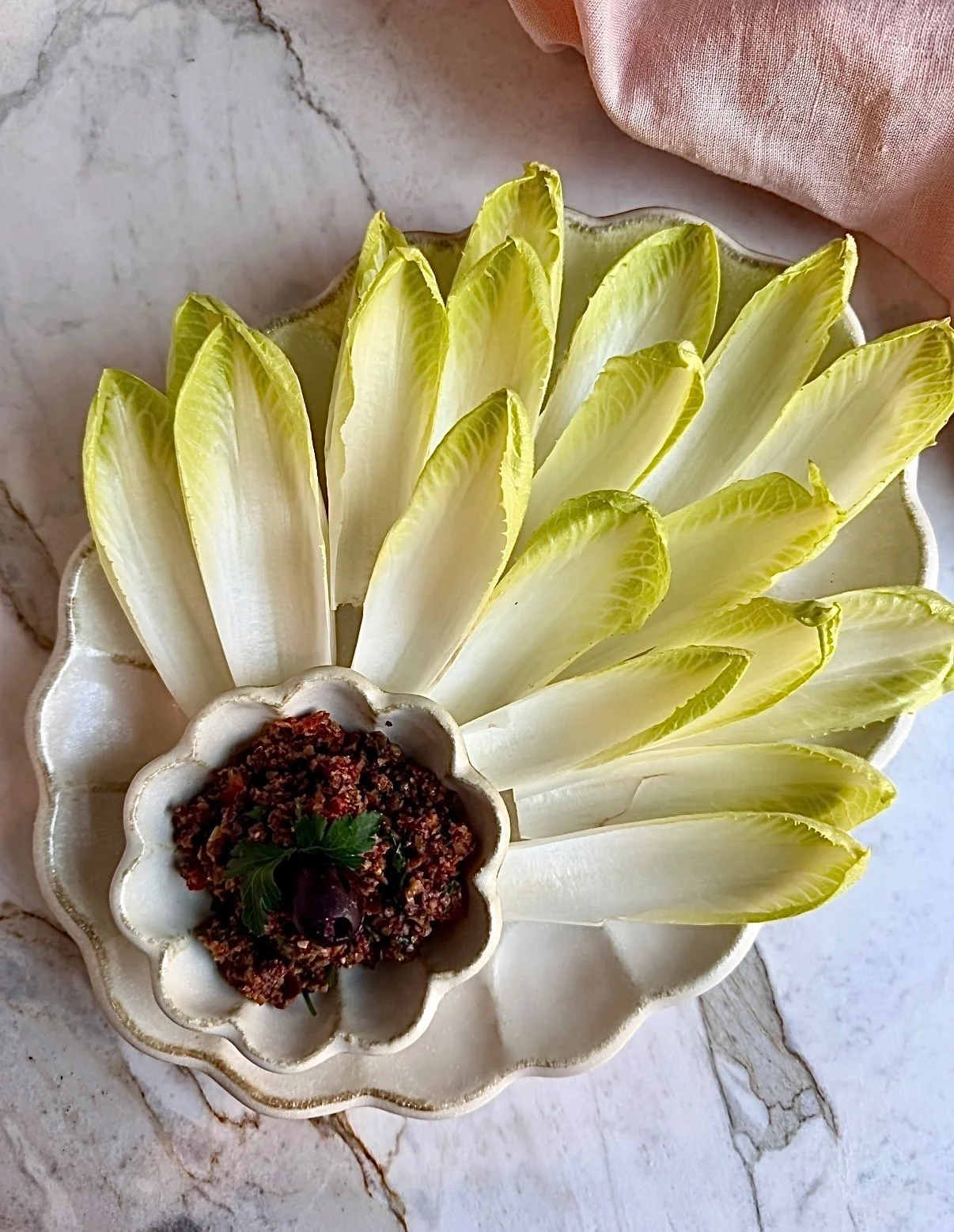
Separate the endive leaves carefully, keeping them intact. Arrange them in a circular pattern on a shallow platter, like petals, with a bowl of tapenade at the center. The pale leaves contrast beautifully with the dark tapenade. Let guest help themselves, or fill just before serving so the leaves remain crisp.
Buon Appetito!
NOTES
Texture matters. Stop pulsing while the mixture still has visible pieces of olive and tomato. A tapenade with structure reads cleanly on the palate.
Drain thoroughly. Excess oil from the sun-dried tomatoes can muddy the flavor. Let them rest briefly on a paper towel before using.
Make ahead. The tapenade improves after 30–60 minutes in the refrigerator, allowing the garlic to mellow and the flavors to settle. Bring back to room temperature before serving.
Endive prep. Separate leaves carefully to keep them intact. If serving for guests, trim the base slightly so they sit flat on a platter.
Variation. A squeeze of lemon or a touch of anchovy can deepen the profile.
SHOP THE STORY